IRONMAN 70.3 AcapulcoTraining Plan & Race Guide 2026
Acapulco, MexicoNovember 1, 202670.3 mi — Half Distance2 min readPublished July 13, 2026Updated July 23, 2026
Share
01·Course Characteristics
Surviving the heat of Acapulco
This race is defined by extreme tropical heat and high humidity, demanding strict core temperature management and hydration discipline rather than sheer raw power.
Climate
32°C
Peak air temperature · warm 28°C water · late autumn tropical climate
Flat bike course · negligible climbing · fast asphalt roads
Difficulty
7.8 / 10
Though the profile is exceptionally flat, the extreme combination of 32°C heat, intense tropical humidity, and a mandatory non-wetsuit swim elevates the physiological demand to highly challenging.
There's still hope!
Only 2 weeks to go — but it's not too late.
The ideal build for this course is 20 weeks, and you have 2. We'll compress the essentials into your remaining time, prioritizing the demands that matter most on this course to get you to the finish line.
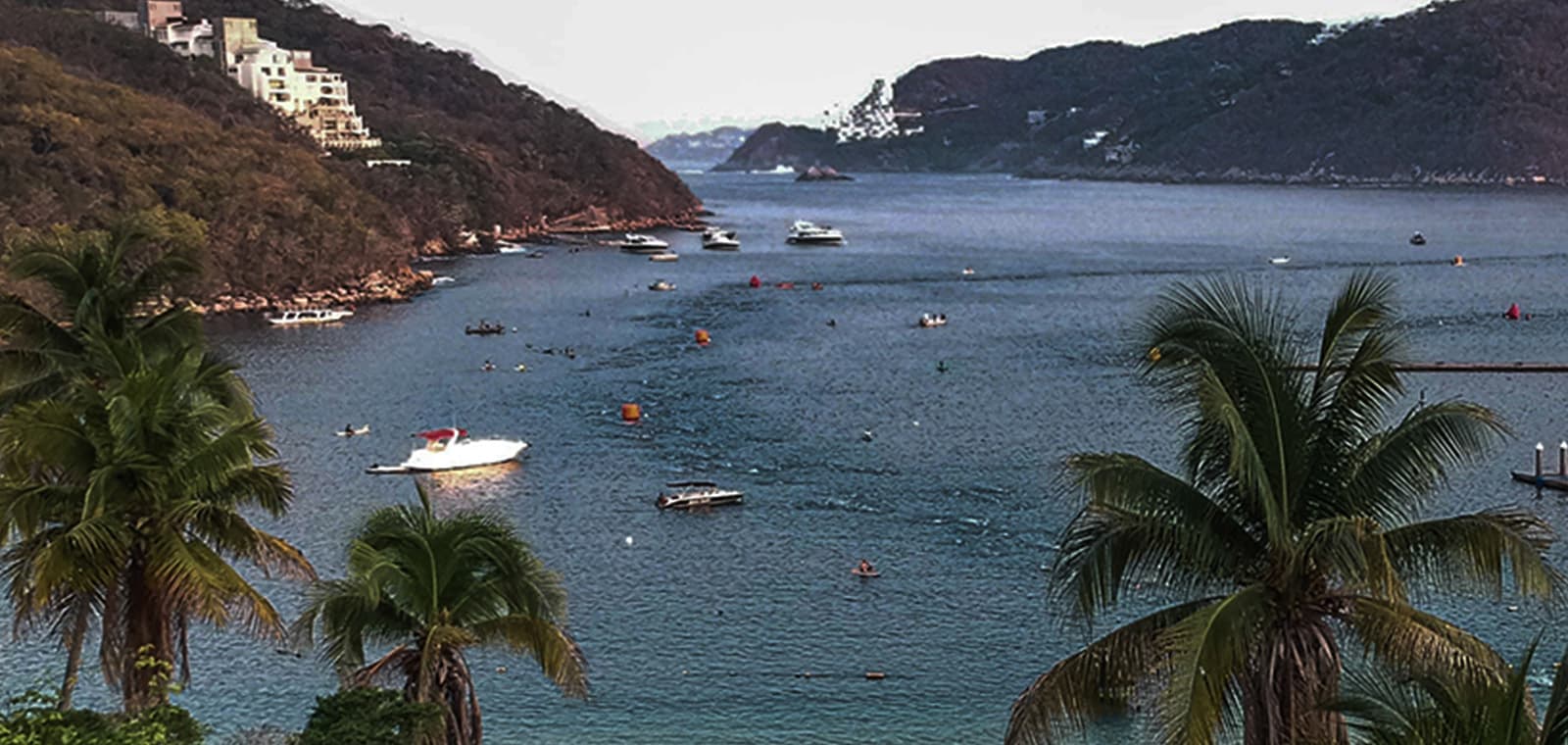
A calm, saltwater swim in the protected bay of Acapulco. Expect extremely warm water temperatures and high buoyancy, but zero wetsuit assistance, meaning efficient body position is critical.
02
Bike
Flat and Exposed
Boulevard de las Naciones
DISTANCE
90 km
LOOPS
2 loops
ELEVATION
250 m
TERRAIN
Flat asphalt
WIND
Light coastal breeze
A rapid, flat, multi-loop route along the coastline. The lack of elevation makes it highly aerodynamic, but the constant pedaling and direct sun exposure will steadily elevate your core temperature.
03
Run
The Tropical Furnace
Acapulco Hotel Zone
DISTANCE
21.1 km
LOOPS
2 loops
ELEVATION
Minimal
SURFACE
Asphalt and concrete
SHADE
None
PEAK TEMP
32°C
A completely flat, two-loop run under brutal midday sun. High relative humidity prevents efficient sweat evaporation, making this a test of pure thermal management and pacing discipline.
03·AVG beginners' Training Timeline
From zero to the finish line
20 weeks
This 20-week plan is specifically engineered to prepare you for the unique physiological demands of Acapulco. By progressively building non-wetsuit swimming endurance, simulating constant flat-course pedaling, and integrating active heat-adaptation protocols, we ensure your cardiorespiratory and thermoregulatory systems are fully ready for a humid, tropical finish.
Today · WK 0Race Day
WK 1–6
Aerobic Foundation
Build a wide aerobic base with low-intensity volume and initiate early shoulder conditioning for the non-wetsuit swim.
WK 7–12
Specific Strength & Heat Prep
Introduce sustained aero-bar intervals, non-wetsuit swim volume, and passive heat exposure protocols like post-workout hot baths.
WK 13–17
Race-Specific Build
Execute humid brick runs and simulate the constant-pedaling profile of the flat bike course at race-pace power.
WK 18–20
Taper & Heat Adaptation
Reduce training volume significantly while maintaining intensity, and execute final heat-acclimatization sessions before race day.
Adapts to your fitness, schedule & recovery every week.
With temperatures reaching 32°C and high humidity, your primary limit is thermal. Pour water over your head and shoulders at every single aid station, and stuff ice down your tri-suit to actively lower your core temperature.
Fuel & hydration
Target a high fluid intake of 800 to 1000 mL per hour containing high sodium (800-1000 mg/L) to replace heavy sweat losses. Rely primarily on liquid or gel carbs (80-90g/hr) as solid foods are difficult to digest in extreme heat.
Pacing
Reduce your target bike power by 5-10% and your run pace by 15-20 seconds per kilometer compared to temperate-climate targets. Over-performing early on the bike will cause catastrophic overheating on the run.
Gear & logistics
Choose a highly ventilated, white or light-colored tri-suit to reflect solar radiation, and wear a breathable running cap. Arrive in Acapulco at least 5 to 7 days before the race to allow your body to begin adjusting to the tropical humidity.
Frequently Asked Questions
What is the water temperature for the IRONMAN 70.3 Acapulco swim?
The swim takes place in the warm, calm waters of Acapulco Bay, where water temperatures typically average between 27°C and 29°C (80°F to 84°F) in November. Because of these high temperatures, this race is virtually guaranteed to be a non-wetsuit swim for age-group athletes. You should prepare your training to focus on comfort and speed in warm, salt-water conditions using a textile swimskin.
How hard is the IRONMAN 70.3 Acapulco bike course?
The bike course is exceptionally fast and predominantly flat, tracing the scenic coastal highway of Costera de las Palmas. While the elevation gain is minimal, the primary challenges you will face are the high humidity, intense tropical sun, and potential coastal headwinds. Staying highly disciplined with your hydration and aerodynamic posture is key to maximizing speed on this course.
What is the weather like for IRONMAN 70.3 Acapulco in November?
You can expect hot and humid tropical conditions, with average daytime high temperatures reaching around 31°C (88°F) and humidity levels often exceeding 75%. Because the heat index can feel significantly higher, heat acclimatization training and a precise electrolyte replenishment strategy are critical to your success on race day.
Is the IRONMAN 70.3 Acapulco run course flat?
Yes, the multi-lap run course is very flat, taking athletes along the hotel zone and beachfront pathways of Riviera Diamante. However, the lack of shade means you will be fully exposed to the midday tropical heat. Consuming fluids at every aid station and utilizing ice or cold water to keep your core temperature down will be vital during this final discipline.
When should I arrive in Mexico for IRONMAN 70.3 Acapulco?
We highly recommend arriving in Acapulco at least three to four days before the race on November 1, 2026. This buffer allows your body to begin adapting to the intense coastal humidity, gives you ample time to scout the transition areas, and ensures you can complete your athlete check-in without unnecessary stress.
Your Personalized Plan
Stop guessing your intervals. Train for this course.
FE26 builds your plan around your Strava data, your real schedule, and the exact demands of IRONMAN 70.3 Acapulco— then adapts every week to how you actually perform.