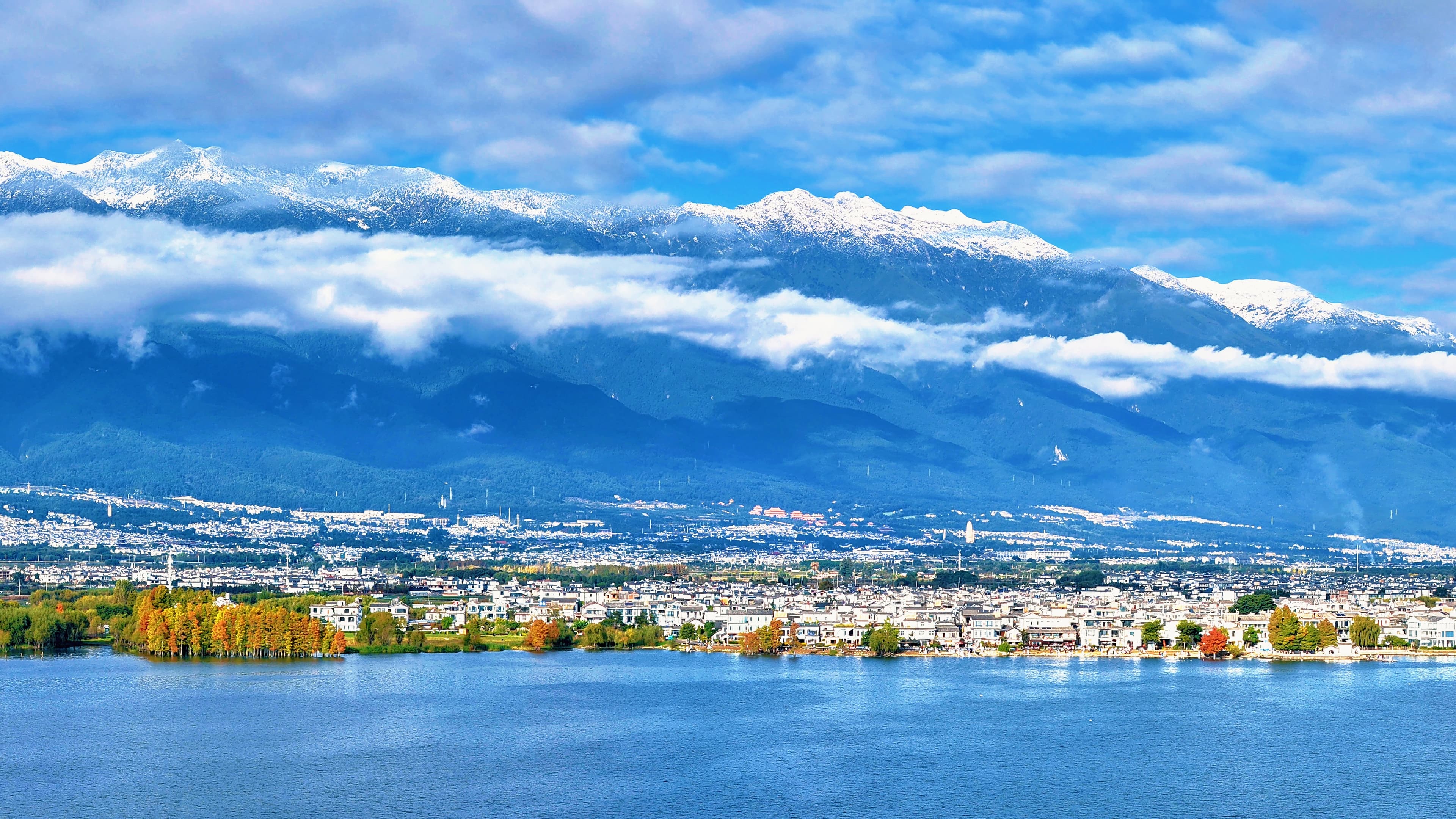
Dali, ChinaSeptember 13, 202670.3 mi — Half Distance2 min readPublished July 13, 2026
Share
01·Course Characteristics
The Altitude Challenge of Dali
While physically flat and fast, the true test of this scenic lakeside course is the immense physiological demand of racing at 1,970 meters above sea level.
Climate
24°C
Peak air temperature · water 17-20°C · mid-September race day
Conditions
Exposed
Altitude of 1,970 meters · lakeside wind exposure · little run shade
Elevation
200 m
Bike gain over 90 km · flat run with under 50 m gain
Difficulty
7.5 / 10
Elevated to 7.5 despite flat courses due to the severe cardiac and metabolic strain of competing at 1,970 meters above sea level.
This edition has passed
Training for a future IRONMAN 70.3 Dali?
Registration for the next edition opens on a rolling basis. Start building your base now and we'll size a full plan the moment a new date is set.
A single-loop counterclockwise swim in the pristine, calm freshwater of Erhai Lake, backdropped by the majestic Cang Mountain. Water temperatures hover between 17°C and 20°C, making wetsuits highly likely or mandatory.
02
Bike
Lakeside Aerobic Loop
Lake Erhai Loop
DISTANCE
90 km
LOOPS
3
ELEVATION
200 m
SURFACE
High-quality asphalt
A flat, fast three-lap course on high-quality asphalt directly alongside Erhai Lake. While the climbing is minimal at 150 to 250 meters, athletes must remain aerodynamic and prepare for potential lakeside winds.
03
Run
Erhai Ecology Corridor
Erhai Lake Ecology Landscape Corridor
DISTANCE
21.1 km
LOOPS
2
ELEVATION
Under 50 m
PEAK TEMP
24°C
A flat, two-lap run along a paved, vehicle-free ecological corridor offering beautiful mountain views. The entire path is right on the shoreline, exposing you to direct sunshine with very little natural shade.
03·AVG beginners' Training Timeline
From zero to the finish line
16 weeks
Because Dali is flat but sits at 1,970 meters, this 16-week plan focuses heavily on expanding your cardiovascular capacity. We front-load aerobic volume and progressively build sustained flat-line power, preparing you to maintain an aggressive aerodynamic position while managing the increased cardiac strain of thin air.
Today · WK 0Race Day
WK 1–4
Aerobic Engine & Capacity
Build a strong cardiovascular base to handle the oxygen-deprived environment.
WK 5–8
Sustained Aerobic Power
Develop consistent muscular endurance and posture for the flat, aerobar-heavy bike ride.
WK 9–12
Altitude & Muscular Stamina
Introduce race-pace simulation workouts under metabolic stress to mimic high-altitude breathing.
WK 13–14
Specific Build & Simulation
Execute long, flat brick sessions to adapt your legs to running on flat, unshaded terrain.
WK 15–16
Taper & Acclimatization
Reduce training volume significantly and arrive early at 1,970 meters to acclimatize.
Adapts to your fitness, schedule & recovery every week.
With temperatures peaking around 24°C and minimal shade on the run, prepare for direct sun exposure. Regularly pour water over your head at aid stations and use sponges to keep your core temperature down.
Fuel & hydration
The dry, 1,970-meter air accelerates dehydration and slows gastric emptying. Consume 600 to 1,000 ml of fluid per hour heavily spiked with sodium, and stick to 60 to 90 grams of easily digestible liquid carbs or gels.
Pacing
Lower your target power and pace by 5-10% early on to account for the thinner air at high altitude. Maintain a conservative, steady effort on the flat bike to save your lungs for the run.
Gear & logistics
Arrive 5 to 7 days before the race to allow your body to acclimatize to the 1,970-meter elevation. Pack a full-sleeve wetsuit for the 17-20°C lake water, and secure your Chinese entry visa well in advance.
Frequently Asked Questions
What is the elevation and altitude of the IRONMAN 70.3 Dali course?
The entire event is held at a high altitude of approximately 1,970 meters (6,463 feet) above sea level, which is the primary physiological challenge of the race. Despite the thin air, the course profile itself is exceptionally flat, featuring a swim with zero elevation gain, a bike course with only 150 to 250 meters of gain, and a run course with less than 50 meters of total gain.
How hard is the bike course at IRONMAN 70.3 Dali?
Physically, the 90 km bike course is nearly flat, highly accessible, and designed as a fast three-lap loop on high-quality asphalt around Erhai Lake with only 150 to 250 meters of total elevation gain. However, the overall difficulty is rated as Medium-High because the high altitude of 1,970 meters reduces oxygen availability, which can lower your power output and raise your heart rate. You will need to pace yourself carefully and prepare for potential wind exposure coming off the lake.
What is the expected water temperature and is a wetsuit allowed at IRONMAN 70.3 Dali?
The water temperature in Erhai Lake typically hovers between 17°C and 20°C (63°F to 68°F) in mid-September. This means the 1.9 km single-loop swim is highly likely to be wetsuit-legal or even wetsuit-mandatory. You will self-seed for the swim start in calm, pristine freshwater backdropped by the Cangshan mountains.
How should I manage my nutrition and hydration at IRONMAN 70.3 Dali?
Because you are racing at an altitude of 1,970 meters where the air is drier, you will dehydrate much faster due to lower humidity and increased respiration. You should aggressively target 600 to 1,000 ml of fluid per hour, heavily supplemented with sodium and electrolytes. Additionally, aim for 60 to 90 grams of carbohydrates per hour using easily digestible options like gels, as high altitudes can slow your gastric emptying.
When should I arrive in Dali to acclimate before the race?
It is highly recommended that you arrive in Dali at least 5 to 7 days before race day on September 13, 2026, to allow your body to physiologically adjust to the altitude of 1,970 meters. You can access the venue via Dali Fengyi Airport (DLU) or take a 2-hour high-speed train from Kunming. Make sure to secure your Chinese entry visa well in advance of your travel.
Your Personalized Plan
Stop guessing your intervals. Train for this course.
FE26 builds your plan around your Strava data, your real schedule, and the exact demands of IRONMAN 70.3 Dali— then adapts every week to how you actually perform.