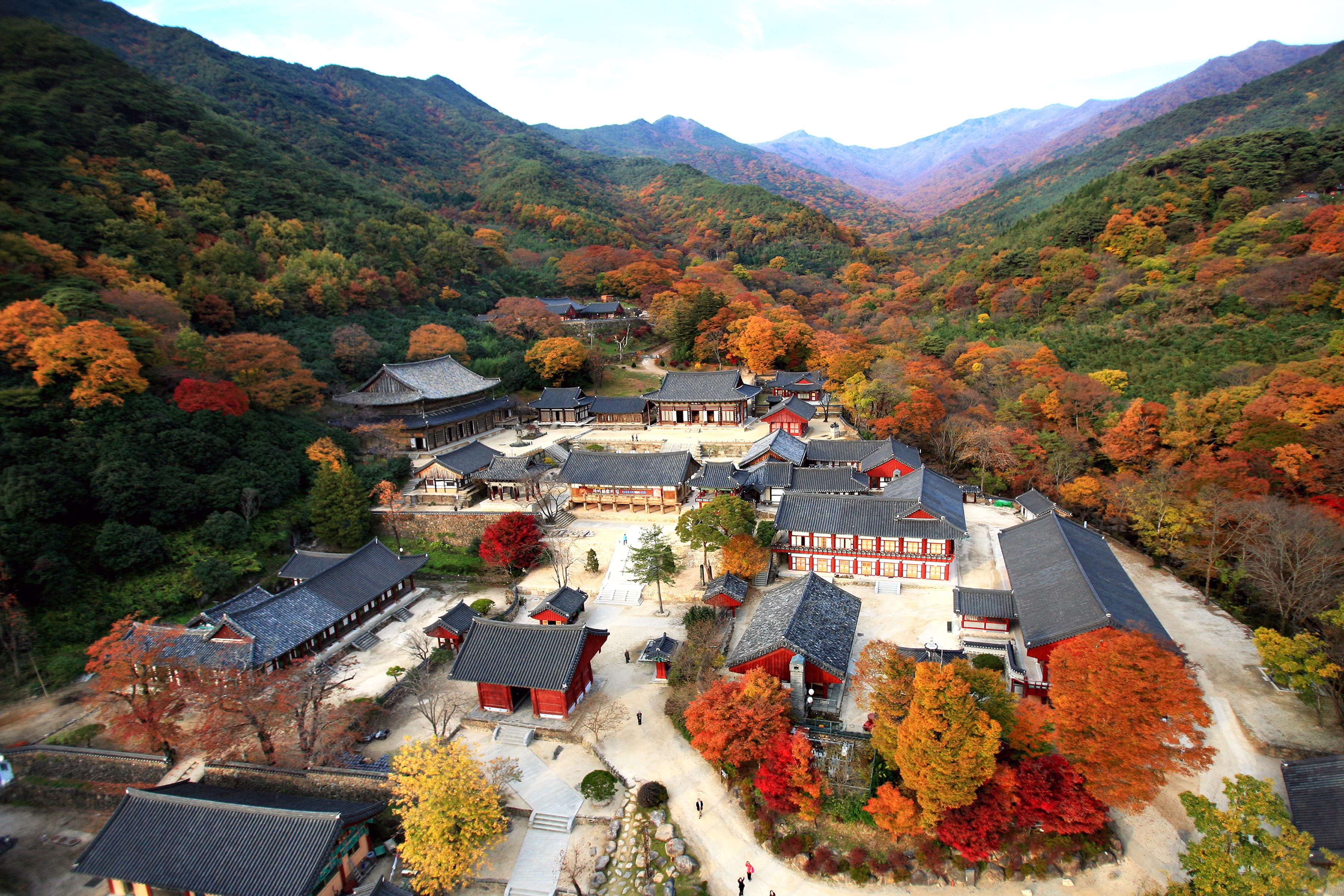
A tranquil single-loop swim in the clean, glassy waters of Lake Sandong. The surrounding peaks shield the reservoir from heavy winds, ensuring minimal current and excellent sighting conditions.
02
Bike
Seomjin River Express
Gurye River Valley Loop
DISTANCE
180 km
LOOPS
3 loops
ELEVATION
900 m
TERRAIN
Flat to rolling
SURFACE
Smooth asphalt
A scenic three-loop course tracking alongside the Seomjin River. The pavement is generally fast and smooth, with gentle rolling hills that require steady power output rather than high-torque climbing.
03
Run
The Countryside Loops
Jirisan Park and Public Stadium
DISTANCE
42.2 km
LOOPS
3 loops
ELEVATION
150 m
SURFACE
Paved roads & paths
SHADE
Partial
A flat, three-loop run passing through agricultural scenery and local villages before finishing inside the Gurye Public Stadium. Spectator energy is concentrated and highly motivating along the key intersections.
03·AVG beginners' Training Timeline
From zero to the finish line
24 weeks
This 24-week structural arc is optimized for Gurye's unique profile. Since the course lacks severe mountains, the training prioritizes steady-state efficiency and aerobic durability, moving you smoothly from foundation volume to sustained-pace efforts.
Today · WK 0Race Day
WK 1–8
Aerobic Base Building
Develop consistent weekly volume and cardiovascular efficiency across all three sports.
WK 9–16
Aerodynamic Endurance
Build core strength and the ability to hold a sustained aero position on flat, rolling bike routes.
WK 17–21
Race-Specific Build
Simulate Gurye pacing with long weekend brick sessions and dial in your precise race nutrition strategy.
WK 22–24
Taper & Peak
Reduce volume progressively while keeping intensity high in short bursts to ensure freshness on race day.
Adapts to your fitness, schedule & recovery every week.
Temperatures start near a crisp 12°C at dawn and peak around 22°C. Keep a lightweight, windproof layer in your transition bag to stay comfortable during the early miles of the bike leg.
Fuel & hydration
Aim for 80 to 90 grams of carbohydrates and 600 to 750 milliliters of fluid per hour. The mild autumn weather can mask your actual sweat rate, so set a strict repeating alarm to maintain hydration.
Pacing
Avoid the temptation to surge on the deceptively fast, flat river loops of the bike course. Save your muscular energy for the marathon, where a highly metronomic pace will yield the fastest run split.
Gear & logistics
A deep-section rear wheel or disc is ideal for this fast, low-wind course. Pack a full-sleeved wetsuit for the cool freshwater lake, and utilize standard road tires inflated for smooth asphalt.
Frequently Asked Questions
What is the swim course like for IRONMAN Gurye Korea?
The swim takes place in Jirisan Lake, featuring a fresh water, rolling start layout. The water is usually calm with temperatures typically allowing for wetsuits, but you should prepare for potentially warm conditions depending on the autumn transition. It is highly recommended to practice sighting in open freshwater lakes prior to race day.
How hilly is the IRONMAN Gurye Korea bike course?
The bike course features rolling hills with scenic views of the Seomjin River and Jirisan National Park, rather than extreme alpine climbs. You can expect a fast, well-paved course, but you must pace yourself through the steady, gradual inclines to save your legs for the run. Aerobar comfort and consistent power output are critical for success on this multi-lap course.
What should I expect for the IRONMAN Gurye Korea run course?
The run course is primarily flat and fast, winding through local villages and agricultural fields surrounding the event hub. While the flat terrain is forgiving, October weather in Gurye can bring high humidity or midday heat, so managing your hydration and salt intake early is vital. Spectator support is highly concentrated around the main stadium transition area to boost your spirits.
What is the typical weather for IRONMAN Gurye Korea in October?
In early October, Gurye experiences pleasant autumn weather with average daytime highs ranging from 18°C to 24°C (64°F to 75°F). While mornings can be quite cool, particularly by the lake, the midday sun can feel strong on the exposed run course. You should prepare clothing layers for a chilly morning transition and plan for standard heat management during the afternoon.
When should I arrive in South Korea for the race?
It is best to arrive in South Korea at least 4 to 5 days before the race on October 4, 2026, especially if you are traveling across multiple time zones. This allows your body to adjust to the local time, complete crucial bike reassembly checks, and scout the Jirisan Lake transition venue. Additionally, arriving early ensures you have ample time to navigate travel logistics from Seoul's Incheon International Airport down to the Gurye region.
Your Personalized Plan
Stop guessing your intervals. Train for this course.
FE26 builds your plan around your Strava data, your real schedule, and the exact demands of IRONMAN Gurye Korea— then adapts every week to how you actually perform.