IRONMAN 70.3 Ruidoso New MexicoTraining Plan & Race Guide 2026
Ruidoso, United StatesJuly 12, 202670.3 mi — Half Distance2 min readPublished June 20, 2026Updated July 23, 2026
Share
01·Course Characteristics
High altitude challenge in Ruidoso
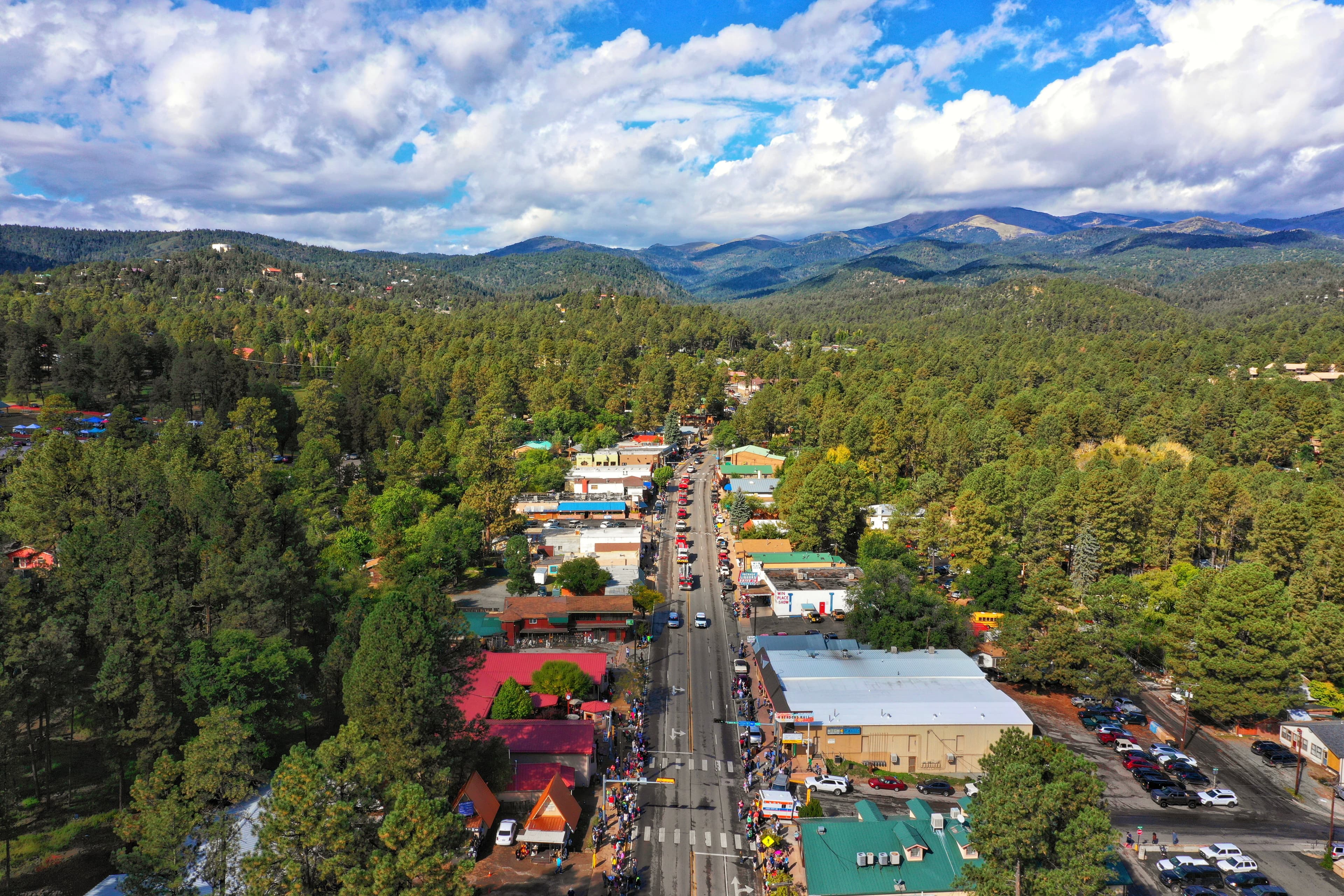
At over 2,100 meters of elevation, IRONMAN 70.3 Ruidoso demands absolute respect. Thin mountain air, relentless climbing, and volatile alpine weather turn this stunning New Mexico course into a true test of aerobic efficiency and pacing.
Climate
26°C
Peak air · water 17-19°C · mid-July mountain climate
Swim in the pristine, clear waters of Grindstone Reservoir surrounded by tall pines. The high altitude means every breath delivers less oxygen, making a controlled effort from the first stroke absolutely critical. Expect cool water temperatures that will almost certainly require a wetsuit.
02
Bike
Sierra Blanca Climbs
Lincoln National Forest Highway
DISTANCE
90 km
LOOPS
1 loop
ELEVATION
1250 m
TERRAIN
Mountainous
SURFACE
Asphalt
ALTITUDE
2,100-2,300 m
This challenging course winds through the scenic Lincoln National Forest, presenting heavy climbing and sweeping descents. The combination of sustained mountain grades and thin alpine air will punish over-eager riders. Be prepared for rapid weather shifts and strong mountain winds.
03
Run
Pine Forest Trails
Ruidoso Multi-use Paths
DISTANCE
21.1 km
LOOPS
2 loops
ELEVATION
280 m
SURFACE
Paved paths & road
SHADE
Partial forest cover
PEAK TEMP
26°C
A rolling multi-loop run that weaves through pine-shaded pathways and local streets. While the trees offer some relief from the sun, the high altitude and late-morning heat will test your mental resolve on every incline. Hydration stations will be crucial to combat the dry mountain air.
03·AVG beginners' Training Timeline
From zero to the finish line
20 weeks
This 20-week plan is specifically engineered to handle the severe dual challenge of altitude and climbing. We front-load aerobic volume to boost blood plasma and capillary density, transition into heavy strength and climbing phases to prepare your legs for the mountain grades, and finish with a precise taper to ensure you arrive fresh and acclimatized.
Today · WK 0Race Day
WK 1–6
Aerobic Foundation
Build baseline cardiovascular fitness and swimming endurance to prepare for altitude demands.
WK 7–12
Strength & Climbing
Develop specific muscular force and cycling power to handle Ruidoso's mountain climbs.
WK 13–17
Altitude & Race Build
Integrate long brick sessions, hill running, and pacing strategies simulated for hypoxic conditions.
WK 18–20
Taper & Strategy
Shed accumulated fatigue while keeping neural pathways sharp for the high-altitude race day.
Adapts to your fitness, schedule & recovery every week.
At 2,100 meters, the sun is exceptionally strong even if air temperatures sit at a mild 26°C. Apply high-SPF mineral sunscreen before the start and utilize cold sponges at aid stations to keep your core temperature down.
Fuel & hydration
The dry mountain air rapidly depletes your hydration status without you noticing through sweat evaporation. Target 750-1000ml of fluid per hour containing high sodium (700-1000mg/L) and aim for 75-90g of carbohydrates per hour to fuel the heavy climbing demands.
Pacing
Lower your target power on the bike by 8-10% compared to sea level to account for the hypoxia of high altitude. Let go of pace goals on the run and focus entirely on maintaining a steady, sustainable rate of perceived exertion.
Gear & logistics
Arrive at least 7 to 10 days early to initiate altitude acclimatization, or arrive less than 24 hours before the gun. Choose a versatile climbing cassette (e.g., 11-30 or 11-34) and mid-depth wheels (45-50mm) to handle mountain gusts and steep gradients.
Frequently Asked Questions
What is the elevation of the IRONMAN 70.3 Ruidoso course?
The race is held at a challenging high altitude, with the swim taking place at Grindstone Lake which sits at approximately 6,900 feet above sea level. The bike and run courses will take you even higher, peaking near 7,200 feet, which significantly impacts your oxygen intake and pacing. You should plan to arrive several days early to acclimate to these mountain elevations before race day.
What is the water temperature for the IRONMAN 70.3 Ruidoso swim?
Grindstone Lake is a high-altitude mountain reservoir where water temperatures typically range from 60°F to 66°F (15.5°C to 19°C) in July. A wetsuit is highly recommended and will likely be mandatory for age-group athletes to stay comfortable in these crisp, refreshing waters. Be prepared for a cold plunge at the start of your race.
How hard is the IRONMAN 70.3 Ruidoso bike course?
The bike course is exceptionally challenging, featuring sustained mountain climbs and technical descents through the Lincoln National Forest. Athletes will tackle significant elevation gain at altitudes exceeding 7,000 feet, demanding conservative pacing and lower gear ratios. Wind can also be a major factor on the exposed sections of the highway, so practicing your climbing and descending skills is essential.
What is the weather like for IRONMAN 70.3 Ruidoso in July?
In mid-July, Ruidoso experiences warm daytime temperatures averaging in the low-to-mid 80s°F, but the mountain air keeps morning temperatures crisp, often starting in the 50s°F. July is also the start of the monsoon season in New Mexico, meaning afternoon thunderstorms and sudden temperature drops are common. You should prepare clothing layers for cold mornings and potential wet weather on the run.
Where does the IRONMAN 70.3 Ruidoso run course take place?
The run course winds through the scenic mountain town of Ruidoso, utilizing a mix of paved roads and multi-use recreational paths. It features rolling hills that will test your fatigued legs, especially with the thin mountain air at nearly 7,000 feet. Spectator support is highly concentrated along the downtown streets, providing a massive energy boost to carry you to the finish line.
Your Personalized Plan
Stop guessing your intervals. Train for this course.
FE26 builds your plan around your Strava data, your real schedule, and the exact demands of IRONMAN 70.3 Ruidoso New Mexico— then adapts every week to how you actually perform.