IRONMAN 70.3 Washington Tri-CitiesTraining Plan & Race Guide 2026
Richland, United StatesSeptember 20, 202670.3 mi — Half Distance2 min readPublished July 13, 2026
Share
01·Course Characteristics
Speed and exposure in Tri-Cities
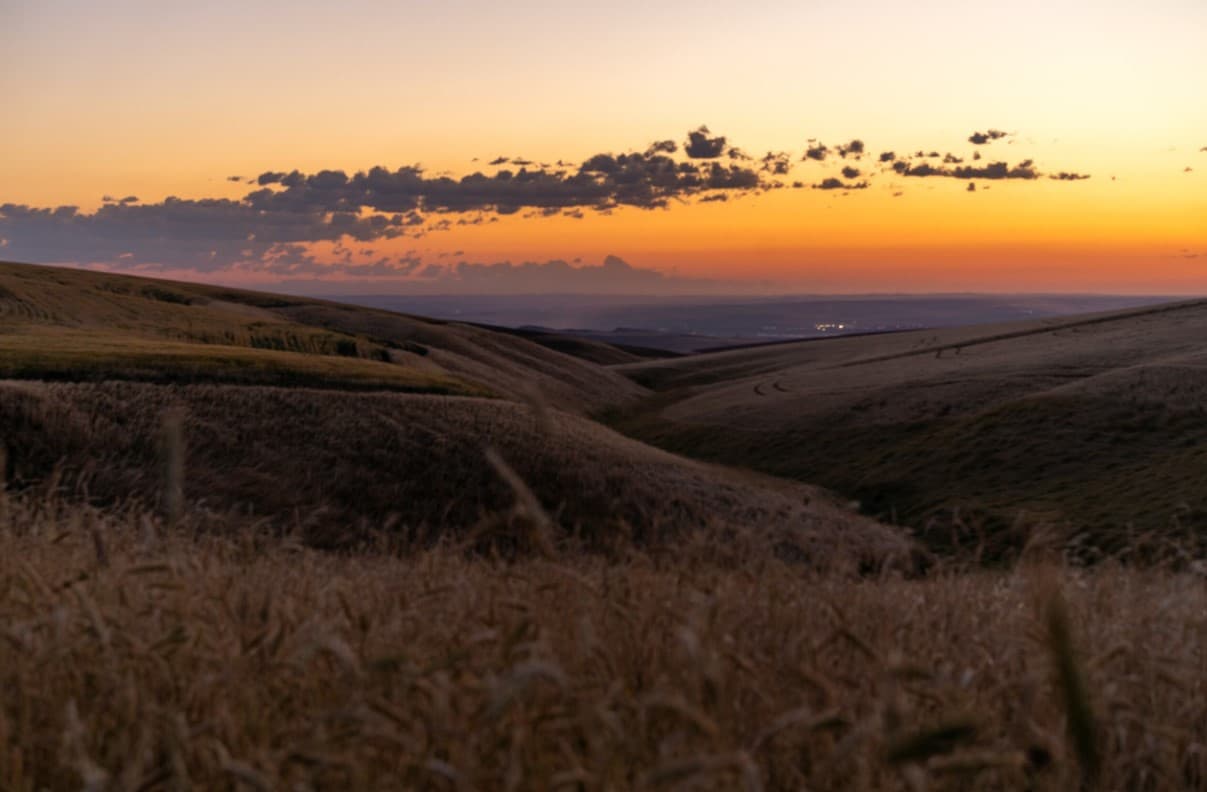
A blazing-fast downstream swim and flat riverfront run sandwich a rolling wine-country bike leg. Prepare for dry, arid heat and high-exposure winds that represent the day's true tactical test.
Climate
27°C
Peak air · water 20°C · late September · cool morning lows of 9°C
Conditions
Windy
Arid climate · high wind exposure · gusts over 32 km/h
Elevation
550 m
Rolling bike loop · flat 109 m run gain · fast downstream swim
Difficulty
4.5 / 10
An exceptionally fast swim and flat run are offset by rolling bike climbs and strong, exposed crosswinds.
This edition has passed
Training for a future IRONMAN 70.3 Washington Tri-Cities?
Registration for the next edition opens on a rolling basis. Start building your base now and we'll size a full plan the moment a new date is set.
You will catch a shuttle to Howard Amon Park and enter the water for a highly assisted downstream swim in the Columbia River. Sighting is incredibly straightforward along the riverbanks, but you must remain alert to execute a sharp right-hand turn into the marina basin at the finish.
02
Bike
Vineyard and Valley Loop
Columbia Point Park Loop
DISTANCE
90 km
ELEVATION
550 m
FORMAT
Single-loop
SURFACE
Asphalt
WIND
High risk of 32 km/h gusts
This rolling course flows through scenic vineyards and features a key 3.1 km climb at a 3.7% grade between kilometers 20 and 22.5. Fast descents require technical vigilance due to two immediate 90-degree turns at the bottom, while the flat mid-section from kilometers 30 to 50 is heavily exposed to strong head- and crosswinds.
03
Run
The Riverfront Express
Columbia Riverfront Trail
DISTANCE
21.1 km
ELEVATION
109 m
FORMAT
Single-loop out-and-back
SURFACE
Asphalt and concrete
SHADE
Sparse
Voted the 'Best Run Course in the World' in 2025, this exceptionally flat paved route traces the riverfront trail and shoreline parks. While the course delivers blistering times, you will face mixed exposure to sun and wind along the open shoreline stretches.
03·AVG beginners' Training Timeline
From zero to the finish line
16 weeks
This 16-week progression is specifically tailored to Richland's unique climate and terrain. We prioritize building robust upper-body and core stability to maintain aerodynamic positioning against heavy crosswinds, while preparing your legs for a relentless, flat-cadence run along the Columbia River.
Today · WK 0Race Day
WK 1–4
Aerobic Foundation
Build consistent low-intensity volume across all three disciplines to prepare your body for the training load.
WK 5–8
Strength & Rolling Power
Develop cycling force to handle the rolling terrain and wine-country climbs, alongside flat running endurance.
WK 9–12
Wind & Aero Durability
Build muscular endurance in the aero position to handle sustained head- and crosswinds.
WK 13–14
Race-Specific Build
Execute high-cadence pacing brick workouts mimicking the fast riverfront run and rolling bike profile.
WK 15–16
Taper & Sharpen
Reduce training volume while keeping intensity high to peak your energy systems for race day.
Adapts to your fitness, schedule & recovery every week.
The dry, arid Eastern Washington air causes sweat to evaporate rapidly, which can mask critical fluid loss. Keep cool by utilizing the frequent run aid stations to douse yourself with water, countering the afternoon highs of 24°C to 27°C.
Fuel & hydration
Aim for a high-sodium hydration plan, targeting 750 to 1000 ml of fluids per hour to counter the rapid dehydration of the dry climate. Practice consuming both liquid and solid fuel while remaining tucked in your aero bars to stay stable during high winds.
Pacing
Exploit the fast downstream swim, then ride conservatively during the 3.1 km vineyard climb and the windy kilometers 30 to 50. Save your legs to execute a highly consistent, evenly paced effort on the incredibly flat riverfront run.
Gear & logistics
Pack a wetsuit for the 20°C water and prepare for a cold 9°C to 12°C morning transition. Choose mid-depth aerodynamic wheels over deep sections to maintain steering control during the potential 32 km/h crosswind gusts on the bike.
Frequently Asked Questions
What is the water temperature and setup for the IRONMAN 70.3 Washington Tri-Cities swim?
The 1.2-mile swim is a point-to-point, downstream course in the Columbia River with an average water temperature of around 68°F, making it reliably wetsuit-legal. You will take a shuttle from transition to the start at Howard Amon Park and swim with the current to the exit at Columbia Point Park. Sighting is highly straightforward, though you must navigate one technical right-hand turn into the basin at the finish.
How hard is the bike course at IRONMAN 70.3 Washington Tri-Cities?
The single-loop, 56-mile bike course is moderately challenging, featuring rolling hills with approximately 1,800 to 1,833 feet of total vertical gain. Key challenges include a 1.9-mile climb at a 3.7% grade between miles 12.5 and 14, two technical 90-degree turns at the bottom of fast descents, and highly exposed flat miles between 18 and 31 that are prone to strong head- and crosswinds. The 100% asphalt road surface is well-maintained and newly resurfaced on key stretches.
What is the run course like for IRONMAN 70.3 Washington Tri-Cities?
The run is an exceptionally flat, single-loop out-and-back course with only 357 feet of total elevation gain, making it incredibly fast. It takes you along the paved Columbia Riverfront Trail and through shoreline parks, offering constant water views and heavy spectator support. Because of its outstanding design, this flat and scenic route was voted the 'Best Run Course in the World' in the 2025 IRONMAN Athletes' Choice Awards.
What weather conditions should I expect at IRONMAN 70.3 Washington Tri-Cities?
September weather in Richland is typically dry and sunny with high wind potential, especially along the riverfront and open bike miles. You should prepare for cool early morning temperatures between 48°F and 53°F, which rise to afternoon highs ranging from 76°F to 80°F. Because the arid Eastern Washington air evaporates sweat rapidly, a structured hydration and high-sodium electrolyte strategy is vital to prevent masked dehydration.
How are the race transition logistics and travel for the Tri-Cities 70.3?
This race features a single transition area where T1 and T2 are co-located at Columbia Point Park, making logistics exceptionally straightforward for both athletes and spectators. For travel, you can fly into the neighboring Tri-Cities Airport (PSC) or make a 3- to 3.5-hour drive from Seattle, Portland, or Spokane. Several host hotels, such as the Courtyard Columbia Point, are conveniently located within 500 meters of transition, but you should book early to avoid the September wine-harvest tourism rush.
Your Personalized Plan
Stop guessing your intervals. Train for this course.
FE26 builds your plan around your Strava data, your real schedule, and the exact demands of IRONMAN 70.3 Washington Tri-Cities— then adapts every week to how you actually perform.