Lima, PeruApril 26, 202670.3 mi — Half Distance2 min readPublished April 1, 2026Updated July 23, 2026
Share
01·Course Characteristics
The speed of coastal Peru
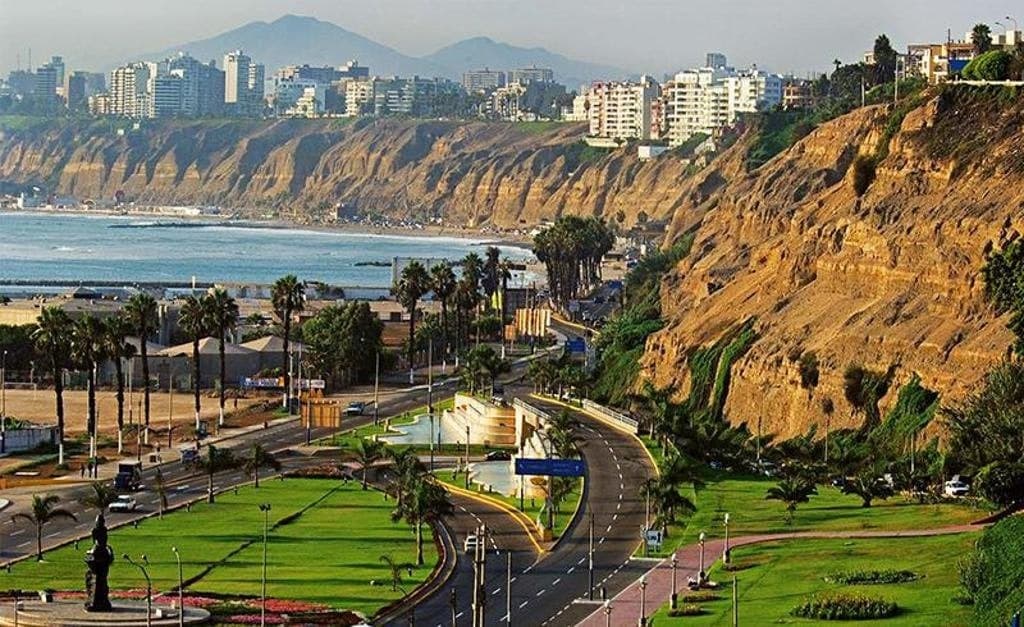
A flat, blisteringly fast course along Lima's Costa Verde highway, defined by a chilly Pacific ocean swim, relentless coastal winds, and an exposed, sun-drenched beachfront run.
Climate
25°C
Peak air · water 17-19°C · late April
Conditions
Exposed
Stiff Pacific headwind · zero rain · high UV
Elevation
465 m
Bike gain · rolling highway · ramps only
Difficulty
3 / 10
Flat profiles offer PB potential, but cold ocean swells and strong bike winds demand tactical pacing.
This edition has passed
Training for a future IRONMAN 70.3 Peru?
Registration for the next edition opens on a rolling basis. Start building your base now and we'll size a full plan the moment a new date is set.
A single-loop ocean swim starting and ending on the sand of Playa Agua Dulce. The cold Pacific waters are typically wetsuit-legal but can be mentally challenging due to surf and swell.
02
Bike
Costa Verde Highway
Chorrillos to Magdalena del Mar
DISTANCE
90 km
LOOPS
3-loop out-and-back
ELEVATION
465 m
SURFACE
Smooth asphalt
WIND
Stiff Pacific crosswinds
A highly aerodynamic, flat, and fast route consisting of three loops on the closed coastal highway. While there are no major climbs, you will encounter short, punchy highway ramps connecting the beach to the road, alongside intense wind exposure on the return legs.
03
Run
Beachfront Promenade
Playa Agua Dulce Beachfront
DISTANCE
21.1 km
LOOPS
2-loop out-and-back
ELEVATION
90 m
SURFACE
Paved promenade
SHADE
None
PEAK TEMP
25°C
A flat, fast two-loop run along the beachfront promenade with stunning ocean views. The course is entirely paved, completely exposed with zero shade, and heavily cheered by local crowds as temperatures peak.
03·AVG beginners' Training Timeline
From zero to the finish line
16 weeks
This 16-week progression systematically prepares you for Lima's unique contrasts. We begin with general aerobic base building and cold-water prep, transitioning to aero-position tolerance and simulated wind resistance. The final weeks emphasize high-carb fueling drills and unshaded brick runs, ensuring you arrive on Playa Agua Dulce confident and resilient.
Today · WK 0Race Day
WK 1–4
Aerobic Foundation & Cold Adaptation
Build a consistent aerobic base and initiate cold-water acclimatization.
WK 5–8
Aero Endurance & Strength
Develop sustained power in the aerodynamic position and bike strength on rolling ramps.
WK 9–12
Wind & Heat Specific Build
Simulate headwind resistance and unshaded brick runs to prepare for the coastal elements.
WK 13–14
Peak & Ocean Sighting
Perfect race-pace efforts in open water swell and target 80-110g carb per hour fueling.
WK 15–16
Taper & Strategy
Reduce training volume while sharpening speed and finalizing logistics for the Lima coast.
Adapts to your fitness, schedule & recovery every week.
Prepare for high morning humidity transitioning to dry, exposed midday heat reaching 25°C. Utilize ice and cold water at run aid stations to actively keep your core temperature down under the unshaded sun.
Fuel & hydration
Leverage the flat bike course to sustain a high-carb intake of 80 to 110 grams per hour. Arid air can mask sweat rates, so proactively consume electrolytes and fluids, ensuring your bottles are locked down against highway bumps.
Pacing
Do not over-cook the outbound bike legs; save energy to fight the stiff Pacific headwind on each return loop. Maintain a steady, metered effort on the run promenade, managing your exertion during the hottest, unshaded midday hours.
Gear & logistics
Arrive in Lima at least 4 days before the race to acclimatize to the cold Pacific swells. Ride only on designated bike paths during race week, and run a deep-section front wheel only if you are confident handling sudden ocean crosswinds.
Frequently Asked Questions
What is the water temperature and wetsuit policy for the IRONMAN 70.3 Peru swim?
Water temperatures in the Pacific Ocean off Lima's coast typically hover between 17°C and 19°C (63°F to 66°F) in late April, which guarantees a wetsuit-legal swim. Because the 1-loop ocean swim at Playa Agua Dulce features Pacific surf and swell, it can be mentally challenging for pool-trained athletes. Wearing a wetsuit will not only keep you warm but will also provide the extra buoyancy needed to navigate these ocean conditions.
How difficult is the IRONMAN 70.3 Peru bike course?
The bike course is rated a highly manageable 3 out of 10 for difficulty, making it ideal for setting a personal best. It is a very flat, fast, and highly aerodynamic 3-loop course on the closed Costa Verde coastal highway with only 1,525 feet (465 meters) of total elevation gain, mostly from short highway ramps. The main athletic challenge on this route is your extreme exposure to Pacific crosswinds and headwinds on the return stretches.
What is the run course profile like for IRONMAN 70.3 Peru?
The run is a fast, flat, 2-loop out-and-back course along the paved beachfront promenade and Malecón of Playa Agua Dulce. It features an estimated cumulative elevation gain of under 300 feet (90 meters), offering stunning cliffside and ocean views. However, because there is virtually zero shade, you will face high UV exposure and temperatures reaching up to 25°C (77°F), making smart heat management and hydration critical.
How many carbs and fluids should I plan to consume during the race?
Because the flat and non-technical bike course allows you to stay aerodynamically tucked, you can comfortably sustain a high carbohydrate intake of 80 to 110 grams per hour. However, the arid coastal air and high morning humidity can easily mask your actual sweat rate. You must prioritize consistent fluid and electrolyte replenishment, and make sure your bottles are tightly secured to prevent them from launching over highway seams.
When should I arrive in Lima for the event and where should I stay?
You should fly into Jorge Chávez International Airport (LIM) and arrive at least 4 days prior to race day (by Wednesday or Thursday) to acclimatize to the chilly Pacific water with practice swims. For accommodations, it is highly recommended to book a stay in safe, tourist-friendly coastal neighborhoods such as Miraflores, Barranco, or San Isidro. To stay safe before the race, do not practice ride on the busy Costa Verde highway; use the designated local bike paths instead.
Your Personalized Plan
Stop guessing your intervals. Train for this course.
FE26 builds your plan around your Strava data, your real schedule, and the exact demands of IRONMAN 70.3 Peru— then adapts every week to how you actually perform.