IRONMAN Canada-OttawaTraining Plan & Race Guide 2026
Ottawa, CanadaAugust 2, 2026140.6 mi — Full Distance2 min readPublished July 8, 2026Updated July 23, 2026
Share
01·Course Characteristics
The speed of the capital
A fast, flat, and historically scenic course through Canada's capital. Prepare for a warm, humid day where disciplined pacing on the flat roads and heat management on the run dictate your success.
Climate
27°C
Average peak air · water 21-23°C · early August humidity
Conditions
Humid
Moderate river current · exposed run · potential headwind on Parkway
Elevation
800 m
Bike gain · flat and fast · minor rolling sections
Difficulty
6.5 / 10
Flat profile offers no coasting; constant pedaling and summer humidity increase the cardiovascular demand.
This edition has passed
Training for a future IRONMAN Canada-Ottawa?
Registration for the next edition opens on a rolling basis. Start building your base now and we'll size a full plan the moment a new date is set.
A two-loop swim starting and ending at Britannia Beach. Expect mild to moderate river currents and potential chop if winds pick up from the west.
02
Bike
The Parkway Express
Kichi Sibi Mikan & Ottawa Region
DISTANCE
180 km
LOOPS
Multi-loop
ELEVATION
800 m
SURFACE
Asphalt
TERRAIN
Flat & Fast
A multi-loop, lightning-fast course taking place on closed parkways. The lack of significant climbs means you must pedal constantly without breaks, testing your aerodynamic endurance.
03
Run
The Canal Path
Rideau Canal Pathway
DISTANCE
42.2 km
LOOPS
Multi-loop
ELEVATION
120 m
SURFACE
Paved & Path
SHADE
Partial
A scenic and exceptionally flat multi-loop run alongside the historic Rideau Canal and through downtown Ottawa. Expect crowds of spectators but watch for rising afternoon temperatures and high humidity.
03·AVG beginners' Training Timeline
From zero to the finish line
24 weeks
This 24-week progression transitions from building raw aerobic capacity to mastering the specific physical demands of Ottawa's flat, fast, and humid course. It emphasizes sustained aerodynamic posture and thermal tolerance to ensure you finish strong.
Today · WK 0Race Day
WK 1–8
Aerobic Base & Adaptability
Build a robust aerobic foundation with consistent, low-intensity volume across all three disciplines.
WK 9–16
Aerodynamic Strength
Develop specific muscular endurance and comfort in the aero position for long, uninterrupted stretches.
WK 17–21
Race-Specific Build
Simulate race-day pacing, heat acclimatization, and high-carb fueling strategies during long brick workouts.
WK 22–24
Taper & Sharpen
Reduce training volume while maintaining intensity to shed fatigue and peak on race day.
Adapts to your fitness, schedule & recovery every week.
August in Ottawa is often hot and highly humid, with temperatures reaching 27°C or higher. Utilize every aid station for ice and cold water to douse your head and body, keeping your core temperature down from the start of the run.
Fuel & hydration
Aim for 80-100g of carbohydrates and 750-1000ml of fluids per hour on the bike to counter the high sweat rates caused by humidity. Increase sodium intake to prevent cramping, especially if you are a heavy sweater.
Pacing
On a flat bike course, the temptation is to over-torque early; stick strictly to your target power and avoid burning matches. Save your legs for the run, where the flat concrete pathways will punish any early pacing mistakes.
Gear & logistics
Choose a deep-section front wheel and a rear disc wheel to maximize aerodynamic efficiency on the flat parkway. Bring both tinted and clear goggles to accommodate changing morning light conditions over Britannia Beach.
Frequently Asked Questions
What is the water temperature for the IRONMAN Canada-Ottawa swim?
The water temperature in the Ottawa River during early August typically ranges from 21°C to 24°C (70°F to 75°F). This means the 3.8-kilometer swim is highly likely to be wetsuit-optional for age-group athletes. You should prepare your pacing for potentially warm water conditions while enjoying the calm, protected waters of the river.
How hard is the IRONMAN Canada-Ottawa bike course?
The 180-kilometer bike course in Ottawa is flat to gently rolling, making it a very fast and aerodynamics-focused ride. You will cycle along the scenic, closed-to-traffic Colonel By Drive and adjacent parkways, which feature excellent road surfaces and minimal technical climbing. Your main challenges will be maintaining a consistent aerodynamic posture and managing potential crosswinds along the river corridors.
What is the run course like for IRONMAN Canada-Ottawa?
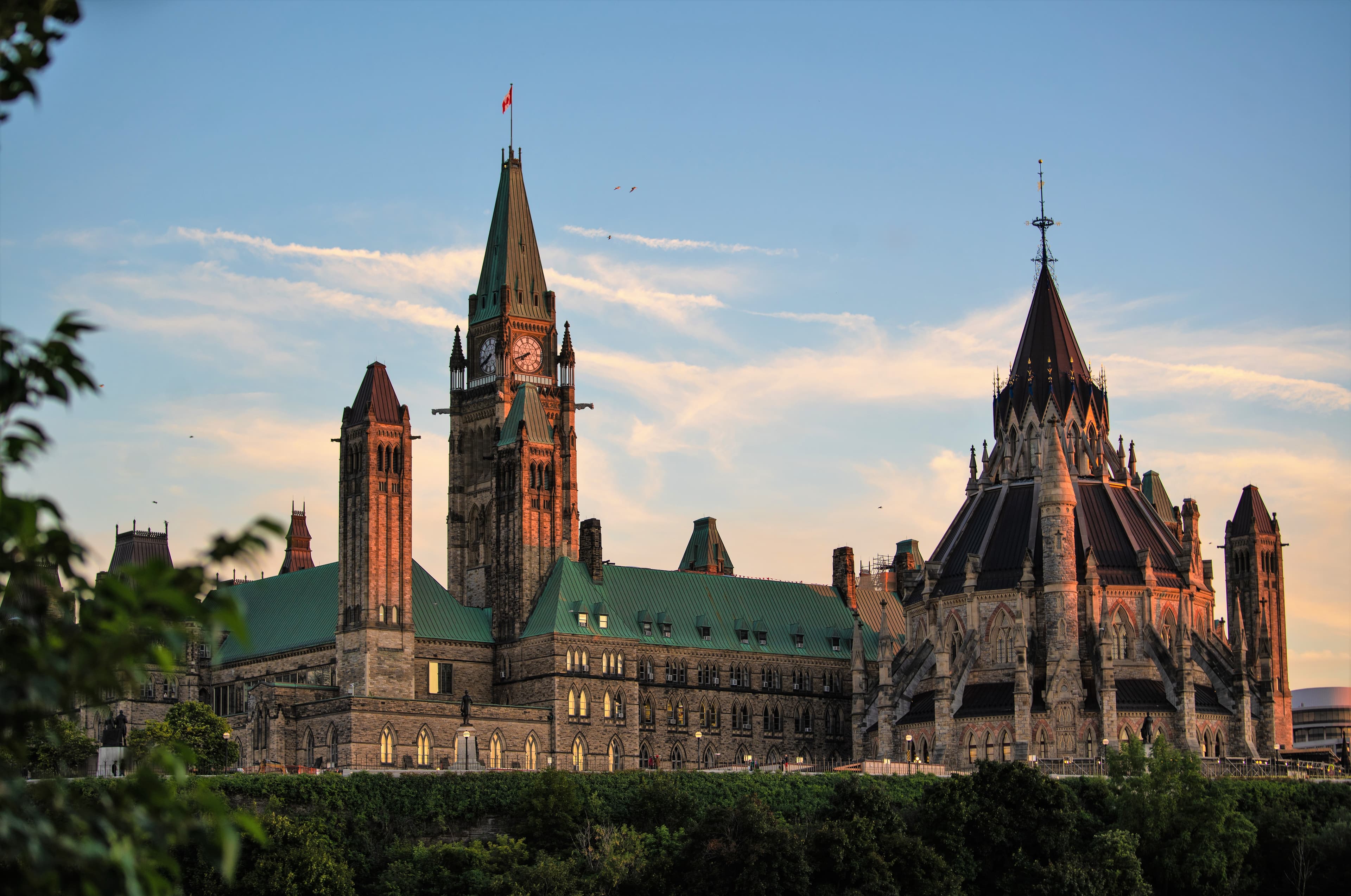
The 42.2-kilometer run course is exceptionally flat, spectator-friendly, and winds through the heart of Canada's capital city. You will run along the historic Rideau Canal and pass iconic landmarks like Parliament Hill on a multi-loop layout. Because the course offers virtually no elevation change, you can lock into a highly consistent, rhythm-based pacing strategy from start to finish.
What weather should I expect for IRONMAN Canada-Ottawa on August 2?
Ottawa in early August features warm summer weather, with average daytime highs ranging from 25°C to 28°C (77°F to 82°F) and high humidity levels. Overnight lows typically drop to around 15°C (59°F), meaning you will start the race in comfortable temperatures before the midday heat sets in. A robust hydration and electrolyte plan is essential to combat the summer heat and humidity during the run.
Where is the transition and finish line for IRONMAN Canada-Ottawa?
The race transitions and finish line are centrally located in downtown Ottawa, utilizing the scenic parks and plazas near the Rideau Canal. This urban setup offers incredible convenience for finding accommodation within walking distance of the start, T1, T2, and the final red carpet. Spectators will have multiple opportunities to cheer you on without needing vehicles, thanks to the compact, multi-loop course design.
Your Personalized Plan
Stop guessing your intervals. Train for this course.
FE26 builds your plan around your Strava data, your real schedule, and the exact demands of IRONMAN Canada-Ottawa— then adapts every week to how you actually perform.