IRONMAN 70.3 Coeur d'AleneTraining Plan & Race Guide 2026
Coeur d'Alene, United StatesJune 21, 202670.3 mi — Half Distance2 min readPublished May 6, 2026Updated July 4, 2026
Share
01·Course Characteristics
The measure of Coeur d'Alene
Glacial-fed waters, a relentless 1,050-meter climbing bike leg, and a scorching, exposed run define this mountain course. Success requires pacing the rollers and managing rapid thermal shifts from morning chill to midday sun.
Climate
28°C
Peak air · water 15.5-20°C · dry mountain air
Conditions
Exposed
Dry mountain air · high UV · zero run shade
Elevation
1,050 m
Bike gain · relentless long rollers · steep descents
Difficulty
6.8 / 10
The combination of 1,050 m of bike climbing, a 653 m base altitude, and an unshaded run offset the pristine lake swim.
This edition has passed
Training for a future IRONMAN 70.3 Coeur d'Alene?
Registration for the next edition opens on a rolling basis. Start building your base now and we'll size a full plan the moment a new date is set.
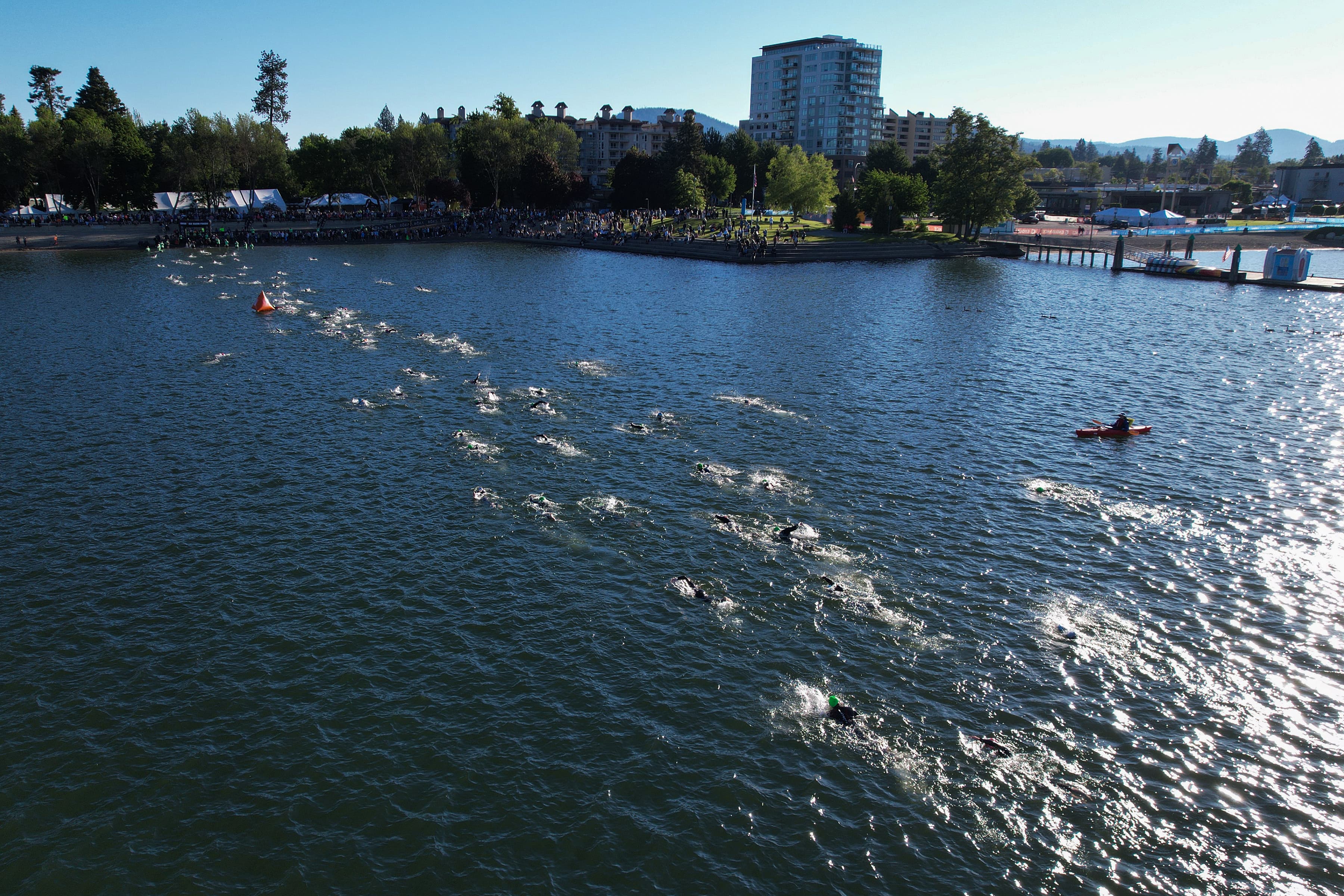
A single counter-clockwise rectangular loop starting at Coeur d'Alene City Beach. The glacial-fed water is highly transparent and typically cold, which can shock your breathing. Currents are minimal unless strong mountain winds pick up to create surface chop.
02
Bike
The Relentless Rollers
US-95 & Lake Drive
DISTANCE
90 km
ELEVATION
1,050 m
LOOPS
1
SURFACE
Smooth Asphalt
A highly honest single-loop course beginning with 30 km of scenic rollers on Lake Drive before shifting to US-95. The final 60 km demand constant power over sustained climbs, including the 2.4 km Cougar Gulch at 5.6%. Expect a mandatory safety no-passing and no-aerobar zone on a steep descent at the 80 km mark.
03
Run
The Exposed Highway
McEuen Park & Lake Drive
DISTANCE
21.1 km
LOOPS
2
ELEVATION
114 m
PEAK TEMP
25-28°C
A fast but rolling two-loop paved course through downtown and along Coeur d'Alene Lake Drive. The lack of shade on Lake Drive, combined with heat radiating off the asphalt, makes this leg feel significantly hotter than the ambient temperature.
03·AVG beginners' Training Timeline
From zero to the finish line
18 weeks
This 18-week progression systematically prepares you for the unique physiological trials of Coeur d'Alene. By addressing the 1,050-meter bike climb early through hill-strength intervals, and layering in heat-tolerance runs as you peak, you will arrive at Lake Coeur d'Alene fully resilient to both the elevation and the sun.
Today · WK 0Race Day
WK 1–5
Aerobic Base & Altitude Prep
Build a solid aerobic base and initiate strength work to prepare for the 653-meter altitude.
WK 6–10
Strength & Roller Endurance
Develop specific muscular endurance to tackle the 1,050 meters of rolling bike climbing.
WK 11–15
Race-Specific Build & Heat Prep
Simulate back-to-back climbing efforts and transition directly into hot, unshaded brick runs.
WK 16–18
Taper & Mental Readiness
Reduce volume to shed cumulative fatigue while maintaining short, high-intensity intervals to stay sharp.
Adapts to your fitness, schedule & recovery every week.
Expect cool morning temperatures around 8-11°C warming rapidly to 28°C. Because the dry mountain air evaporates sweat instantly, you must proactively dump water and ice over your head at every mile's aid station to lower your core temperature.
Fuel & hydration
Cold water can make digestion sluggish during the first 30-45 minutes of the bike, so start with warm-room gels or fluids. Target 60-90 grams of carbohydrates and consistent electrolytes per hour on the bike to offset the high altitude and masked dehydration.
Pacing
Cap your effort on the first rolling 30 km of the bike to save energy for the heavy climbs on US-95. On the run, establish a conservative rhythm on the first loop, holding back to survive the scorching, unshaded stretch on Lake Coeur d'Alene Drive.
Gear & logistics
A full wetsuit, neoprene cap, and booties are highly recommended to combat the 15.5-20°C glacial water. Choose a versatile mid-depth wheelset to balance aerodynamics on the flats with control during high-speed, technical mountain descents.
Frequently Asked Questions
What is the water temperature and wetsuit policy for the IRONMAN 70.3 Coeur d'Alene swim?
The water temperature in Lake Coeur d'Alene typically ranges from 60°F to 68°F (15.5°C to 20°C), averaging around 64°F to 65°F. This makes wetsuits almost always legal for the race, and you may want to consider a neoprene swim cap and booties if the temperature trends toward the low 60s. Since the glacier-fed water is cold, be prepared for an initial shock when you enter the water at Coeur d'Alene City Beach.
How hard is the IRONMAN 70.3 Coeur d'Alene bike course?
The 56-mile bike course is highly demanding and honest, featuring approximately 3,445 feet of total climbing. While the first 18 to 19 miles along Coeur d'Alene Lake Drive consist of scenic, minor rollers, the remaining 37 miles on US-95 present a significant challenge with continuous long rollers and sustained climbs like the 1.5-mile Cougar Gulch climb at a 5.6% average grade. Be prepared for fast, steep descents and note that there is a strict, mandatory 'no-passing, no-aerobars' safety zone near the 50-mile mark.
What is the elevation profile of the IRONMAN 70.3 Coeur d'Alene?
The race takes place at a base altitude of approximately 2,141 feet (653 meters) above sea level. While the 1.2-mile swim is entirely flat, the 56-mile bike course features a challenging 3,445 feet of elevation gain. The 13.1-mile run course is rolling but relatively flat by comparison, with a total elevation gain of approximately 374 feet.
What are the best spots for spectators to watch IRONMAN 70.3 Coeur d'Alene?
The most scenic and spectator-friendly spots to watch the action include Coeur d'Alene City Beach for the swim start and exit. For the bike segment, head to the intersection of Sherman Avenue and Lakeside to catch the athletes at the turnaround. Finally, McEuen Park and City Park are the best locations to cheer on runners during their loops and celebrate at the finish line.
What nutrition and hydration strategy should I use for IRONMAN 70.3 Coeur d'Alene?
Because the cold water swim and chilly morning air can make digestion sluggish, start the bike with easily digestible, warm-room fluids or gels. The demanding bike course requires high energy expenditure, so you should target 60 to 90 grams of carbohydrates per hour. Because the air in North Idaho is dry and sweat evaporates rapidly, consistently consume water and electrolytes, and use the aid stations on the exposed run course to dump ice down your kit to lower your core temperature.
Your Personalized Plan
Stop guessing your intervals. Train for this course.
FE26 builds your plan around your Strava data, your real schedule, and the exact demands of IRONMAN 70.3 Coeur d'Alene— then adapts every week to how you actually perform.