IRONMAN 70.3 Alcúdia-MallorcaTraining Plan & Race Guide 2026
Alcúdia, SpainMay 9, 202670.3 mi — Half Distance2 min readPublished April 1, 2026Updated July 23, 2026
Share
01·Course Characteristics
The Test of Tramuntana
A spectacular Mediterranean journey defined by a long, sustained mountain pass, a highly technical mountain descent, and a flat but completely sun-exposed multi-loop run along the bay.
Climate
22°C
Peak air temperature · Water 18-19°C · Early May race
Conditions
Mixed
Calm bay swim · High mountain crosswinds · Exposed coastal run
Elevation
850 m
Sustained climbing up Coll de Femenia · Technical hairpins
Difficulty
6.2 / 10
A demanding mountain climb and technical descent are bracketed by a fast, flat bay swim and a hot, pancake-flat coastal run.
This edition has passed
Training for a future IRONMAN 70.3 Alcúdia-Mallorca?
Registration for the next edition opens on a rolling basis. Start building your base now and we'll size a full plan the moment a new date is set.
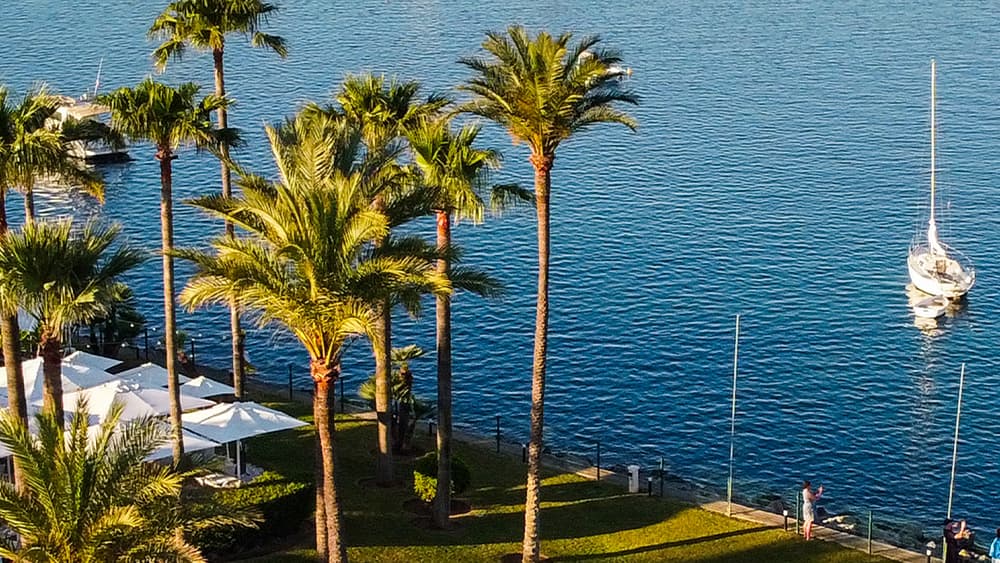
A rolling self-seeded start into the clear, shallow waters of Alcúdia Bay. The single-loop course is generally well-sheltered, offering calm waters with excellent visibility, though morning offshore breezes can create minor chop.
02
Bike
The Tramuntana Loop
Port d'Alcúdia to Inland Mallorca
DISTANCE
90 km
ELEVATION
850 m
LOOPS
1-Loop
CLIMB
Coll de Femenia
SURFACE
Excellent Asphalt
The signature of this course is the 14 km climb up the Coll de Femenia, averaging 4% with steeper ramps, followed by a fast, highly technical descent with sharp hairpin turns towards Pollença. The remaining half is flat, fast, and often windy through inland farmland.
03
Run
The Coastal Boulevard
Alcúdia Beachside
DISTANCE
21.1 km
ELEVATION
30 m
LOOPS
3-Loops
SHADE
None
PEAK TEMP
22°C
A flat, three-loop run along the beach promenade lined with energetic spectator crowds. While completely flat, the course offers no protection from the midday sun, turning heat management and hydration into your primary challenges.
03·AVG beginners' Training Timeline
From zero to the finish line
16 weeks
This 16-week progression is specifically tailored to Mallorca's unique profile. We front-load foundational aerobic base building, transition into a heavy mountain-climbing phase to master the major ascent, and conclude with race-pace brick simulations to prepare you for the hot, flat beachside run.
Today · WK 0Race Day
WK 1–4
Aerobic Base & Adaptation
Build consistent aerobic volume and joint durability with flat, steady-state training.
WK 5–8
Sustained Climbing Power
Develop muscular endurance and climbing strength to tackle the Coll de Femenia climb.
WK 9–13
Technical Skills & Race Build
Incorporate technical cornering, bike-to-run brick workouts, and heat-acclimation preparation.
WK 14–16
Taper & Sharpen
Reduce volume while keeping intensity high to freshen up the legs for race day.
Adapts to your fitness, schedule & recovery every week.
The Mediterranean sun in May is intense; apply sweat-resistant SPF 50 before the start and grab cold water at every aid station to pour over your head. Keep your core temperature down from the very beginning of the run.
Fuel & hydration
Target 80-90 grams of carbohydrates and 750-1000 ml of fluids per hour on the bike, especially before the climb and during the flat return. Increase sodium intake to offset heavy sweating on the exposed, wind-swept run.
Pacing
Climb the Coll de Femenia conservatively at your sweet-spot intensity, avoiding any deep redline efforts that will compromise your run. Save your energy for the flat, headwind-affected final 40 km of the bike.
Gear & logistics
Choose a mid-depth front wheel (40-60mm) and a deeper rear disc or deep section wheel to handle gusts on the descent. Arrive 3-4 days early to scout the technical mountain descent and adapt to the European roads.
Frequently Asked Questions
What is the swim course like for IRONMAN 70.3 Alcúdia-Mallorca?
The swim is a single-loop 1.9-kilometer (1.2-mile) course taking place in the calm, protected waters of Alcúdia Bay. You will experience a rolling beach start from the white-sand shore, with water temperatures typically ranging from 17°C to 19°C (63°F to 66°F). Because of these cool spring temperatures, wetsuits are highly recommended and almost always permitted for age-group athletes.
How difficult is the IRONMAN 70.3 Alcúdia-Mallorca bike course?
The 90-kilometer (56-mile) bike course is highly challenging but incredibly scenic, featuring a total elevation gain of around 850 meters. The main obstacle is the legendary climb up to Lluc in the Serra de Tramuntana mountain range, which requires sustained climbing gears and focused pacing. Once over the pass, you will need sharp technical skills to navigate the fast, winding descent before hitting the flat, windy roads back to Alcúdia.
Is the IRONMAN 70.3 Alcúdia-Mallorca run course flat?
Yes, the 21.1-kilometer (13.1-mile) run course is exceptionally flat and fast, consisting of three multi-lap loops along the beachfront of Alcúdia. The flat terrain is ideal for locking in a consistent target pace, though the coastal setting offers very little shade from the Mediterranean sun. You can expect roaring spectator support along the entire promenade to help carry you to the finish line on the beach.
What weather should I expect on race day in Mallorca in May?
On May 9, 2026, you can expect classic Mediterranean spring weather with average air temperatures ranging from a cool 14°C (57°F) in the morning to a warm 22°C (72°F) by the afternoon. While conditions are generally sunny and dry, coastal winds can pick up during the late morning, adding an extra challenge to the bike leg and the run. Wearing layers for morning logistics and staying on top of hydration as the day heats up is highly recommended.
What is the transition layout for IRONMAN 70.3 Alcúdia-Mallorca?
The race utilizes a single, large transition area (T1/T2) located directly alongside the beach in Port d'Alcúdia, making logistics relatively straightforward. Due to the massive scale of this event—often hosting over 3,000 athletes—the transition zone is exceptionally long, which means you should practice orienting yourself to your rack location from both the swim entry and bike entry. Be prepared for a decent amount of running on pavement within the transition zone itself.
Your Personalized Plan
Stop guessing your intervals. Train for this course.
FE26 builds your plan around your Strava data, your real schedule, and the exact demands of IRONMAN 70.3 Alcúdia-Mallorca— then adapts every week to how you actually perform.