IRONMAN 70.3 Mont-TremblantTraining Plan & Race Guide 2026
Mont-Tremblant, CanadaJune 21, 202670.3 mi — Half Distance2 min readPublished May 6, 2026Updated July 23, 2026
Share
01·Course Characteristics
The measure of Mont-Tremblant 70.3
An alpine challenge defined by a pristine lake swim, a rolling highway bike leg with a sting in its tail, and a scenic, undulating run along a historic railway path.
Climate
23°C
Peak air · water 18-20°C · late June
Conditions
Rolling
Pristine lake swim · smooth highway asphalt · packed gravel run segments
Elevation
900 m
Bike gain · rolling highway · steep Duplessis climbs
Difficulty
6.5 / 10
Moderate difficulty driven by the steep, late-stage rollers on Chemin Duplessis and the undulating run terrain, balanced by a clean, sheltered lake swim.
This edition has passed
Training for a future IRONMAN 70.3 Mont-Tremblant?
Registration for the next edition opens on a rolling basis. Start building your base now and we'll size a full plan the moment a new date is set.
A single-loop swim in the crystal-clear, sheltered waters of Lac Tremblant. The course is well-marked and typically calm, offering excellent sighting conditions with minimal currents.
02
Bike
La Route Verte
Route 117 and Chemin Duplessis
DISTANCE
90 km
LOOPS
1
ELEVATION
900 m
SURFACE
Smooth asphalt
CLIMBS
Chemin Duplessis
A fast but deceptive single-loop course featuring rolling hills on Route 117 and a highly technical, steep series of climbs on Chemin Duplessis during the final 20 kilometers.
03
Run
Le P'tit Train du Nord
Multi-use trail & Pedestrian Village
DISTANCE
21.1 km
LOOPS
1
ELEVATION
220 m
SURFACE
Asphalt & Gravel
SHADE
Partial
An undulating out-and-back course running along the packed-gravel P'tit Train du Nord trail and finishing through the heart of the pedestrian village.
03·AVG beginners' Training Timeline
From zero to the finish line
16 weeks
This 16-week progression systematically prepares you for Mont-Tremblant's unique challenges. We build a solid aerobic base before introducing specific strength work to conquer the Duplessis climbs, culminating in mixed-surface run training to ensure a strong finish.
Today · WK 0Race Day
WK 1–4
Aerobic Foundation
Establish baseline aerobic fitness and build core strength on flat to rolling terrain.
WK 5–8
Strength & Hill Capacity
Introduce low-cadence climbing intervals on the bike to prepare for the course's rolling profile.
WK 9–12
Race-Specific Endurance
Extend long-duration workouts and incorporate brick runs on mixed asphalt and gravel surfaces.
WK 13–14
Peak & Simulating Duplessis
Simulate the steep, late-ride bike efforts followed directly by undulating run paces.
WK 15–16
Taper & Strategy
Reduce training volume while keeping high-intensity micro-intervals to stay sharp for race day.
Adapts to your fitness, schedule & recovery every week.
Morning temperatures can be crisp around 12°C, rising rapidly to 23°C by midday. Utilize aid station ice and cold water on the run to manage core temperature as the heat peaks in the village.
Fuel & hydration
Aim for 60-90 grams of carbohydrates and 600-800 ml of fluids per hour on the bike. The rolling terrain makes taking on nutrition tricky, so consume fuel on the flatter sections of Route 117 before the steep climbs.
Pacing
Save your matches on the bike; over-pressing on the Route 117 rollers will leave you empty for the steep Duplessis hills and the run. Maintain a steady, metered effort and let your heart rate settle before tackling the run.
Gear & logistics
A full wetsuit is highly recommended for the cool lake water. Opt for a versatile mid-depth wheelset (40-60mm) to handle potential crosswinds on Route 117 while keeping the bike light enough for Duplessis's climbs.
Frequently Asked Questions
What is the water temperature for the IRONMAN 70.3 Mont-Tremblant swim?
The swim takes place in Lake Tremblant, where water temperatures typically range from 62°F to 68°F (16°C to 20°C) in late June. Because of these cool temperatures, the swim is almost always wetsuit-legal for age-group athletes. You should prepare for a single-loop, rolling start in clean, calm freshwater with excellent visibility.
How hard is the IRONMAN 70.3 Mont-Tremblant bike course?
The bike course is moderately challenging, featuring approximately 2,900 feet (884 meters) of total elevation gain over a single 90km loop. It is famous for its smooth pavement on Route 117, but it finishes with the notorious, rolling climbs of Chemin Duplessis. You will need disciplined pacing and proper gearing to conquer the steep, short rollers in the final 15 kilometers.
What is the run course profile like for IRONMAN 70.3 Mont-Tremblant?
The 21.1km run is a scenic, one-loop course that takes you along the famous, paved Le P'tit Train du Nord multi-use trail. The terrain is a mix of flat sections and rolling hills, featuring a total elevation gain of about 600 feet (183 meters). It offers plenty of shade from the trees, but the final, steady climb back up into the pedestrian village will test your mental toughness.
What weather should I expect at IRONMAN 70.3 Mont-Tremblant in June?
On race day in late June, you can expect average morning starting temperatures around 55°F (13°C), warming up to a comfortable afternoon high of 74°F (23°C). While conditions are often ideal for racing, you should prepare for high humidity and the potential for passing summer rain showers. Wearing layers for the morning transition setup is highly recommended.
Where is the best place to stay for IRONMAN 70.3 Mont-Tremblant?
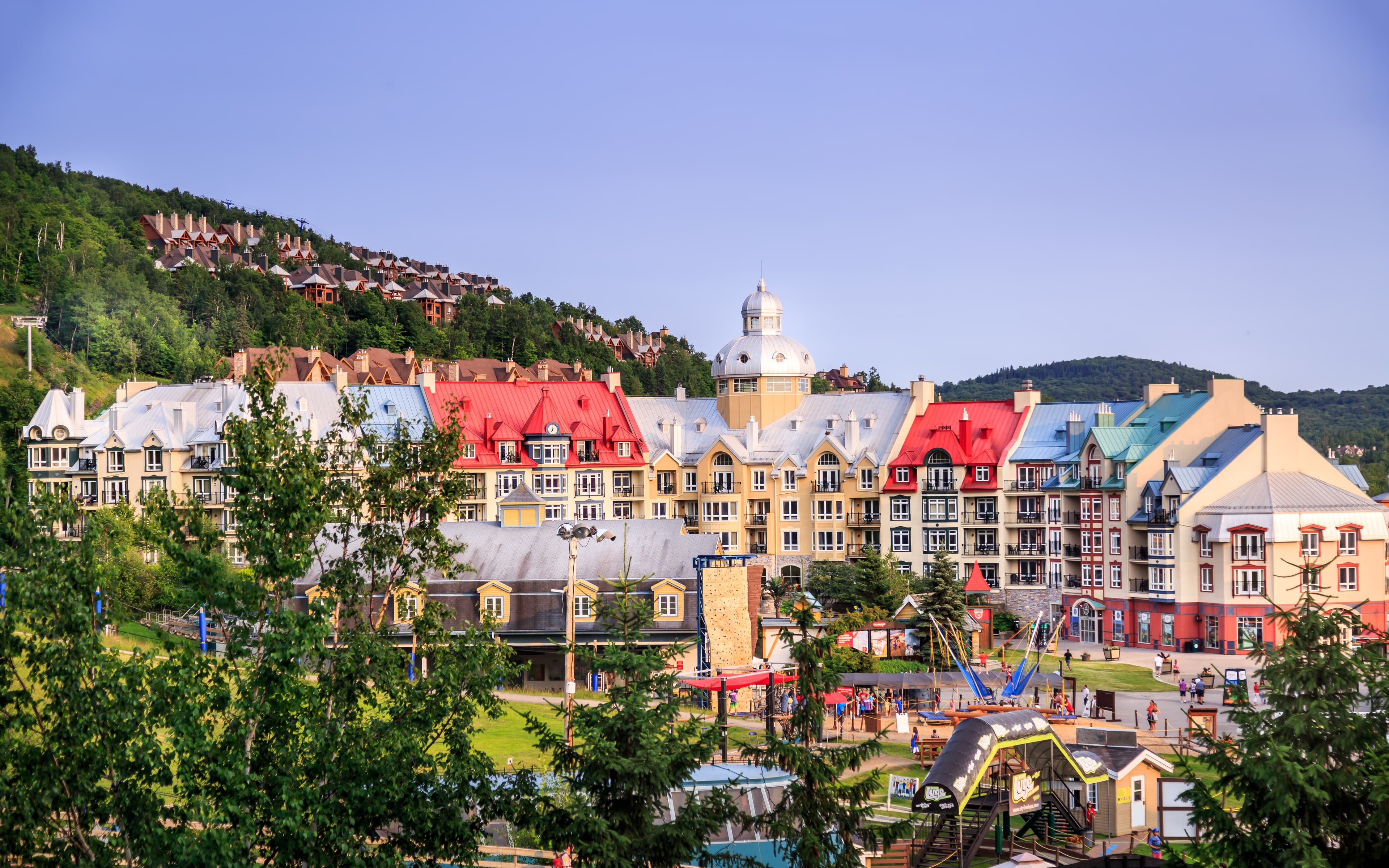
Lodging within the pedestrian-only Mont-Tremblant Resort Village is the most convenient option, as it places you within walking distance of the swim start, transition zone, and finish line. Booking your accommodation early is critical, as village lodging fills up quickly for race weekend. If you stay further out in the downtown Saint-Jovite area, you will need to utilize the official race shuttle buses on race morning.
Your Personalized Plan
Stop guessing your intervals. Train for this course.
FE26 builds your plan around your Strava data, your real schedule, and the exact demands of IRONMAN 70.3 Mont-Tremblant— then adapts every week to how you actually perform.