All Race Guides

IRONMAN Kaernten-Klagenfurt, AustriaTraining Plan & Race Guide 2026

Klagenfurt, AustriaJune 14, 2026140.6 mi — Full Distance7 min read

Race & Course Analysis

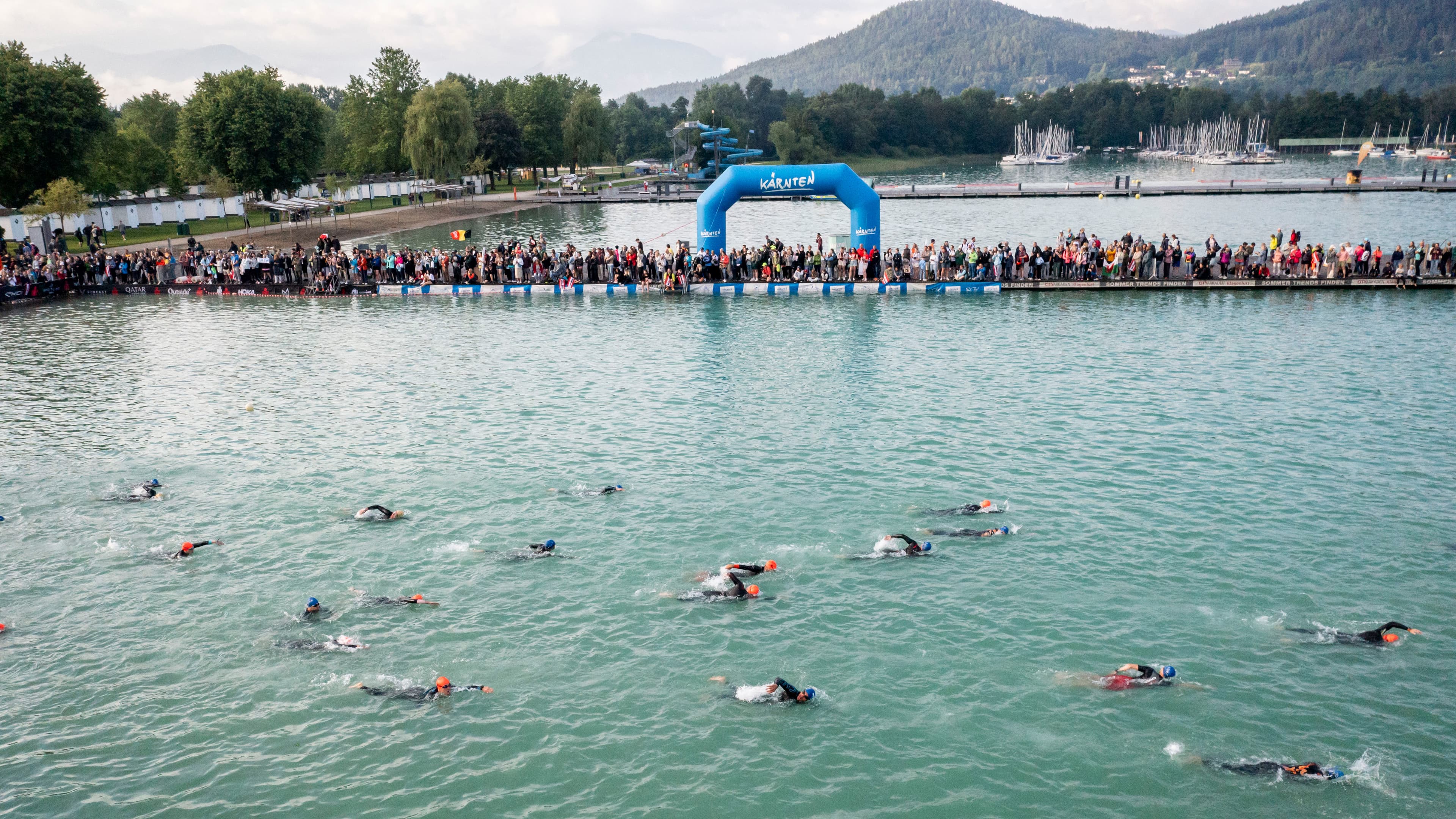
Since its inception in 1999, IRONMAN Kärnten-Klagenfurt has earned its reputation as one of the crown jewels of the global triathlon circuit. Set against the backdrop of the turquoise Lake Wörthersee and the dramatic Carinthian Alps, this race is world-renowned for its "stadium-like" atmosphere and exceptionally fast road surfaces. It is a course of two halves: offering immense PR potential on the flat run and smooth descents, while demanding significant respect for its punchy, technical climbs.

This event is perfectly suited for athletes who thrive in a high-energy environment and can manage their effort across a varied terrain. Whether you are chasing a personal best or a slot for the IRONMAN World Championship, the 3.8km swim, 180.2km bike, and 42.2km run through Klagenfurt require a training strategy that balances raw aerobic power with specific muscular endurance.

Swim Course

The 3.8km swim is a single-loop journey that ranks among the most unique in the sport. It begins in the open, crystal-clear waters of Lake Wörthersee, where visibility often exceeds 10 meters. However, the final 1,000 meters are contested within the Lendkanal, a narrow waterway only 10 to 15 meters wide. This section is lined with thousands of spectators just meters from the athletes, creating an intense, acoustic "funnel" effect.

  • Key Challenges: The water temperature frequently hovers near the 24.5°C (76.1°F) wetsuit cutoff, making "game-day" decisions common. The Lendkanal can be mentally taxing due to the proximity of other swimmers and underwater vegetation near the shallow edges.
  • Training Implication: Your training must prioritize "sighting" proficiency. In the canal, standard buoy-sighting is replaced by the need to navigate around other athletes in a confined space. We recommend incorporating sighting drills every fourth length during pool sessions to maintain a straight line under pressure.

Bike Course

The 180.2km bike course consists of two 90km loops through the Carinthian countryside. While the Austrian asphalt is exceptionally smooth—allowing for high average speeds—the course is deceptively challenging, featuring a total elevation gain between 1,490m and 1,680m. The centerpiece is the Rupertiberg, a 2.5km climb with an average gradient of 7% and ramps reaching 12%.

  • Key Challenges: While the descents and lakeside sections are fast, the repeated nature of the climbs can deplete leg strength before the marathon. Wind is generally light in the morning but often transitions into a headwind along the lake sections during the second loop.
  • Training Implication: This course demands specific "Strength & Power" development. To prepare for the 12% ramps of the Rupertiberg, your plan should include low-cadence, high-torque hill intervals. Building the muscular force required to crest these climbs without spiking your heart rate is critical to ensuring you have "run legs" remaining for the marathon.

Run Course

The 42.2km marathon is a flat, two-loop course that alternates between the scenic north shore of the lake and the historic Alter Platz in the Klagenfurt city center. The terrain is primarily asphalt with short sections of fine gravel through Europapark and cobblestones in the old town.

  • Key Challenges: The primary obstacle is environmental. While the city and canal sections offer intermittent shade, the segments along the lake and the "railway line" stretch are highly exposed to the sun. Afternoon temperatures in June can peak above 30°C (86°F), making core temperature management a significant factor.
  • Training Implication: Preparation requires "Specific Endurance" sessions that simulate the flat, repetitive nature of the course. Because the elevation gain is minimal (~118m), there is no "break" for your running muscles. Training should include long, steady-state runs on flat terrain to build durability, combined with heat-acclimatization strategies to prepare for the high UV exposure and humidity typical of a Carinthian summer.

By systematically addressing the technical sighting requirements of the Lendkanal, the muscular force needed for the Rupertiberg, and the thermal stress of the exposed run, you will be prepared to excel at one of Europe's most legendary IRONMAN venues.

Training Phase Timeline

24 weeks

Base Foundation

Wk 18 · 8 wk

Strength & Power

Wk 914 · 6 wk

Specific Endurance

Wk 1520 · 6 wk

Peak Intensity

Wk 2122 · 2 wk

Taper & Race

Wk 2324 · 2 wk

Plan Overview

You will begin this 24-week journey by building a rock-solid aerobic foundation and functional strength. This early focus is crucial because the Klagenfurt bike course, while fast, demands significant muscular endurance to tackle the 1,680m of climbing. By prioritizing leg strength and aerobic efficiency in the first two phases, you will prepare your body to handle the 12% ramps of the Rupertiberg not just once, but twice, without compromising your ability to run a marathon afterwards. You will find that the initial focus on force production makes the smooth Austrian asphalt feel even faster during your long rides.

As you progress into the specific and peak phases, you will shift your focus toward the unique environmental challenges of Carinthia. You will incorporate heat-acclimatization sessions to prepare for the potential 30°C afternoon peaks and practice your nutrition plan using Maurten products. Since the run is flat but highly exposed along the railway lines and lake paths, your training will include long, steady-state runs that build the mental resilience needed for the heat. You will also simulate the 'stadium' feel of the swim finish by practicing high-cadence sighting drills to prepare for the narrow, crowded Lendkanal where spectators will be cheering just meters away.

Finally, you will enter a structured taper designed to shed fatigue while keeping your systems primed. This ensures you arrive at Lake Wörthersee with the 'snap' in your legs needed for the rolling bike course and the energy to enjoy the legendary stadium finish at Metnitzstrand. This plan isn't just about volume; it's about systematically preparing your body for the specific gradients, temperatures, and technical aspects of one of Europe’s most beautiful yet deceptive courses.

Phase 1

Base Foundation

Wk 188 weeks

Building aerobic engine, technical proficiency in the water, and functional strength to support long-term volume.

Phase 2

Strength & Power

Wk 9146 weeks

Developing the muscular force required to handle the 7-12% gradients of the Rupertiberg climb while maintaining a high aerobic ceiling.

Phase 3

Specific Endurance

Wk 15206 weeks

Course-specific brick sessions, heat acclimatization for the exposed run, and mastering the Maurten-based nutrition strategy.

Phase 4

Peak Intensity

Wk 21222 weeks

Race-pace simulations at target heart rate/power and final sharpening of aerobic systems.

Phase 5

Taper & Race

Wk 23242 weeks

Strategic volume reduction to shed cumulative fatigue while maintaining neuromuscular snap for race day.

Race Day Execution

IRONMAN Kärnten-Klagenfurt, Austria: Race Day Strategy

Execution at IRONMAN Austria requires a balance of aggression on the fast flats and disciplined restraint on the climbs. To maximize your PR potential on this iconic course, your race day must be defined by temperature management and metabolic efficiency.

Weather & Climate Strategy

Klagenfurt presents a unique thermal challenge: a crisp, often chilly morning followed by intense afternoon UV exposure and humidity.

  • Pre-Race Acclimation: In the 14 days prior, incorporate 3–5 heat sessions (sauna for 20 minutes or indoor cycling without fans). This triggers plasma volume expansion, crucial for the exposed run.
  • The "Lake Effect": While the water is crystal clear, humidity remains high around Lake Wörthersee. You will sweat more than you realize on the bike; do not wait until the run to start your cooling protocol.
  • Mid-Race Management: Utilize every aid station on the run. Pour water over your head and wrists and place ice in your tri-suit to keep your core temperature down before you hit the unshaded segments along the railway tracks.

Nutrition & Hydration Plan

As an FE26 athlete, your strategy should leverage the on-course Maurten products while accounting for high sweat rates.

  1. Pre-Race Fueling: Consume your final high-carb meal 3 hours before the swim start. Sip on 500ml of Maurten Drink Mix 160 leading up to the start to ensure glycogen stores are topped off without gastrointestinal distress.
  2. The Bike (Foundation): Target 80–100g of carbohydrates per hour. Use the smooth, flat sections to focus on fueling so that your stomach is settled before the climbs.
  3. Sodium Requirements: Given the humidity, aim for 700–1,000mg of sodium per hour, depending on your sweat test results. Austrian asphalt is fast, but dehydration will make the second loop feel significantly slower.
  4. The Run (Maintenance): Transition to Maurten Gels. Use the caffeinated Gel 100 CAF 100 at kilometers 15 and 30 to combat mental fatigue.

Gear & Transition Setup

Equipment choice should prioritize aerodynamics for the lakeside sections and ventilation for the climbs.

  • Swim Gear: Water temperatures often hover at the 24.5°C (76.1°F) limit. Bring both a high-end wetsuit and a swim skin. If it’s a non-wetsuit swim, the swim skin is mandatory for speed in the canal.
  • Bike Setup: A disc wheel is highly recommended; the winds are generally light, and the speed gains on the descents are significant. Ensure your brake pads are fresh for the technical descents following the climbs.
  • T1/T2 Logistics: Transition at Metnitzstrand is large. Use high-visibility markers (like a bright towel) to identify your bag position. Apply extra anti-chafing cream at T1; the high humidity and canal water can increase friction during the bike and run.

Pacing & Mental Strategy

Klagenfurt is famous for its atmosphere, which can tempt athletes into "racing" too early.

  • The Swim: Use the rolling start to find a draft in the lake. Once you enter the Lendkanal, increase your sighting frequency. The spectators are close, and the water is shallow; stay in the center of the canal to avoid underwater vegetation.
  • The Bike: Execute a "steady-state" power plan. On the Rupertiberg, do not be seduced by the 'Tour de France' crowds. Keep your effort at 85-90% of FTP; surging here will cost you minutes on the run.
  • The Run: Start the first 5km 10–15 seconds per kilometer slower than your target pace. The "railway line" stretch is mentally grueling due to the lack of shade—this is where you win the race by staying mentally "internal" and focusing on your cadence.
  • Common Mistake: Over-cycling the first 90km loop. The smooth roads make high speeds feel easy, but the cumulative elevation of the second loop will punish an aggressive start.

Travel & Logistics

Logistical ease is the key to a stress-free race week.

  • Arrival: Aim to arrive by Wednesday or Thursday. This allows for a course recon of the bike loops and a practice swim to acclimate to the canal entry.
  • Where to Stay: Prioritize hotels near Europapark or the Seepark Resort. Being within walking distance of the finish line and transition is an enormous advantage for morning prep and post-race recovery.
  • Course Recon: If possible, drive or ride the descent from the Rupertiberg before race day. Knowing the corners on the smooth Austrian asphalt will give you the confidence to maintain speed without over-braking.
  • Transport: If flying into Vienna, the ÖBB train is the most efficient way to reach Klagenfurt. They offer dedicated bike spaces, but these must be reserved well in advance.

Your Personalized Training Plan

Your Personal Path to IRONMAN Kaernten-Klagenfurt, Austria

While this guide provides a foundation, every athlete is unique. FE26 creates a personalized plan by analyzing:

  • Your Data: Seamless Strava integration to benchmark your current fitness.
  • Your Life: Training blocks that adapt to your real-world schedule.
  • The Course: Workouts specifically engineered for these unique race demands.
  • Your Recovery: Weekly adaptive periodization that adjusts targets based on your actual performance.

Stop guessing your intervals. Start training with a system that evolves with you.

Create Your IRONMAN Kaernten-Klagenfurt, Austria Training Plan