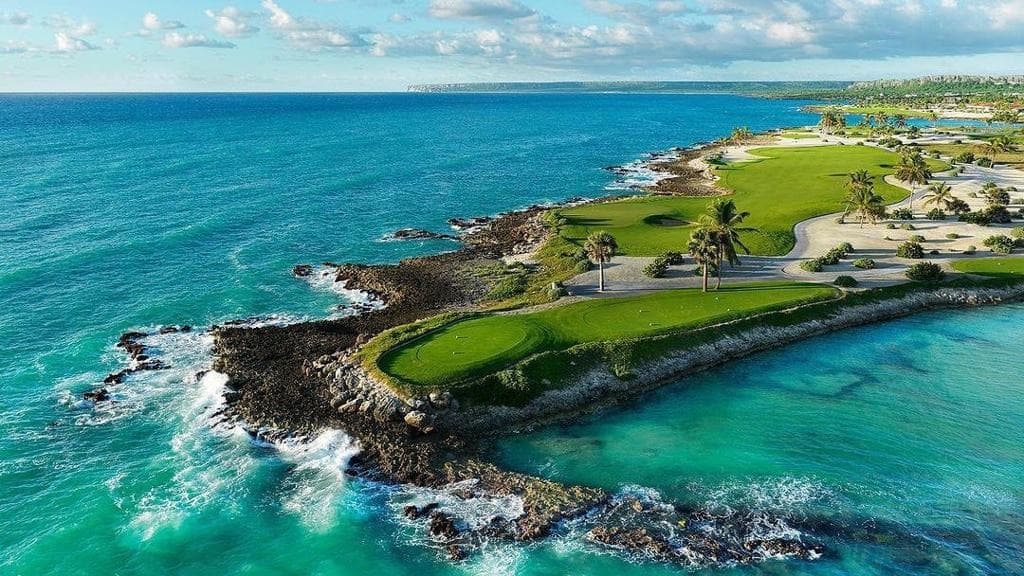
IRONMAN 70.3 Cap CanaTraining Plan & Race Guide 2026
Cap Cana, Dominican RepublicMay 17, 202670.3 mi — Half Distance2 min readPublished April 1, 2026Updated July 4, 2026
Share
01·Course Characteristics
The Crucible of Cap Cana
A flat, deceptive course where tropical heat, extreme humidity, and exposed coastal trade winds replace climbing as the primary physical test.
Climate
32°C
Peak air temperature · extremely high humidity · water 28-30°C · mid-May
Conditions
Exposed
Strong coastal trade winds · high UV index · zero shade on run and bike
Elevation
315 m
Bike total gain · flat to rolling · false flats up to 3% grade
Difficulty
8.5 / 10
An 8.5 out of 10 difficulty. Though elevation is minimal, the extreme humidity, non-wetsuit warm water, high headwind, and relentless heat make this a brutal attrition race.
This edition has passed
Training for a future IRONMAN 70.3 Cap Cana?
Registration for the next edition opens on a rolling basis. Start building your base now and we'll size a full plan the moment a new date is set.
A single-loop ocean swim in shallow, crystal-clear water protected by a coral reef. The water is incredibly warm, requiring early hydration to prevent overheating, and winds can create a light chop.
02
Bike
The Highway Speedway
Resort Roads & Coral Highway
DISTANCE
90 km
LOOPS
1
ELEVATION
315 m
SURFACE
Smooth blacktop
WIND
10-15 mph trade winds
A fast single-loop starting on concrete resort paths before transitioning onto the wide-open Coral Highway. Long false flats and relentless headwinds on the return portion will punish aggressive riders who fail to manage their power.
03
Run
Marina Boardwalk Loop
Cap Cana Gated Community
DISTANCE
21.1 km
LOOPS
Multi-loop
ELEVATION
23 m
SHADE
Virtually zero
PEAK TEMP
30-32°C
A flat but brutal multi-loop run on asphalt paths, concrete sidewalks, and resort boardwalks. Fully exposed to the blazing sun and intense humidity, this leg is a true test of heat management and mental toughness.
03·AVG beginners' Training Timeline
From zero to the finish line
16 weeks
This 16-week progression systematically prepares you for Cap Cana's unique climate and flat topography. We prioritize building a deep aerobic base, transitioning to high-torque aerodynamic riding, and implementing heat acclimation protocols to ensure your core temperature remains regulated on race day.
Today · WK 0Race Day
WK 1–5
Aerobic Base & Heat Prep
Build consistent aerobic endurance and initial heat-tolerance foundation.
WK 6–10
Sustained Aero Power
Develop flat-course muscular endurance and long-duration aerodynamic positioning.
WK 11–14
Specific Heat & Wind Build
Execute race-pace simulation workouts under simulated thermal stress and windy conditions.
WK 15–16
Taper & Core Cooling
Reduce volume to shed fatigue while executing cooling protocols and sharpening short efforts.
Adapts to your fitness, schedule & recovery every week.
With temperatures hitting 32°C and high humidity, cooling is critical. Dump ice in your tri-suit and hat at every aid station, and use cold sponges on your neck to keep your core temperature down.
Fuel & hydration
Aim for 32 to 40 ounces of cold fluid containing 800 to 1000 mg of sodium per hour on the bike, and drink 10 to 12 ounces of electrolytes right before the swim start. Transition to liquid or gel carbohydrates on the run for easier digestion under extreme heat stress.
Pacing
Ride conservatively on the outbound bike leg to save energy for the relentless headwinds on the return journey. On the run, adjust your target pace downward early to prevent catastrophic overheating from the intense humidity.
Gear & logistics
Choose highly breathable white or light-colored apparel, apply high-SPF water-resistant sunscreen, and use deep-section wheels cautiously if wind gusts are high. Stay at an on-property resort inside Cap Cana to ensure stress-free walkability to the transition area on race morning.
Frequently Asked Questions
What is the water temperature and wetsuit policy for the IRONMAN 70.3 Cap Cana swim?
The water temperature in Playa Juanillo typically ranges from 28°C to 30°C (82°F to 86°F), meaning this is strictly a non-wetsuit swim for all age groups. Because you will be swimming in such warm saltwater, you should expect to sweat early and plan to drink 10 to 12 ounces of electrolytes right before the rolling beach start.
How hard is the IRONMAN 70.3 Cap Cana bike course?
Though the single-loop, 56-mile bike course is visually flat with only 1,030 to 1,500 feet of true elevation gain, it is rated as hard due to environmental factors. You will face relentless 10 to 15 mph coastal trade winds that act as a tough headwind on the return highway leg, alongside hot rolling false flats of 1% to 3% grades. A conservative pacing strategy on the way out is vital to save your legs for the run.
What are the weather conditions like for IRONMAN 70.3 Cap Cana in May?
You should prepare for extreme tropical conditions, with midday air temperatures reaching 31°C to 33°C (88°F to 91°F) and relative humidity levels between 70% and 90%. Combined with a high UV index and virtually zero shade on the course, the heat index can easily exceed 38°C (100°F). Managing your core temperature with ice, cold sponges, and high-sodium hydration is absolutely critical.
What is the run course terrain like at IRONMAN 70.3 Cap Cana?
The flat, multi-loop run course covers 13.1 miles of asphalt resort roads, concrete sidewalks, and flat boardwalks winding through the Cap Cana Marina. Because there is virtually no shade and you will likely be running during the hottest hours of the day, you must utilize every aid station for cooling, using ice and cold sponges to manage the severe heat.
Which airport should I fly into for IRONMAN 70.3 Cap Cana and where should I stay?
You should fly into Punta Cana International Airport (PUJ), which is an incredibly convenient 10-to-15-minute drive from the race venue. It is highly recommended to stay at one of Cap Cana's gated, all-inclusive host resorts—such as Margaritaville, Dreams, or Hyatt—to enjoy direct beach access to the swim start and avoid race-morning transit stress.
Your Personalized Plan
Stop guessing your intervals. Train for this course.
FE26 builds your plan around your Strava data, your real schedule, and the exact demands of IRONMAN 70.3 Cap Cana— then adapts every week to how you actually perform.