IRONMAN 70.3 BarranquillaTraining Plan & Race Guide 2026
Barranquilla, ColombiaJune 7, 202670.3 mi — Half Distance2 min readPublished April 5, 2026Updated July 4, 2026
Share
01·Course Characteristics
Crucible of the Golden Gate
Prepare for a high-intensity battle against extreme tropical humidity, unrelenting Caribbean winds, and a scorching 34°C unshaded run on the Gran Malecón.
Climate
34°C
Peak air · water 27°C · humid June morning
Conditions
Humid
Intense sun exposure · coastal winds · zero run shade
Elevation
360 m
Gently rolling bike · completely flat run · highway overpasses
Difficulty
8 / 10
Classified as highly demanding due to a non-wetsuit 27°C swim, heavy crosswinds on the highway, and extreme 34°C heat with over 75% humidity.
This edition has passed
Training for a future IRONMAN 70.3 Barranquilla?
Registration for the next edition opens on a rolling basis. Start building your base now and we'll size a full plan the moment a new date is set.
A single-loop ocean swim starting at Playa Puerto Mocho. Water temperatures average a warm 27°C, which guarantees a non-wetsuit swim. While the sea is generally calm, coastal winds can generate ocean currents and small swells.
02
Bike
The Prosperidad Highway
Circunvalar de la Prosperidad
DISTANCE
90 km
FORMAT
Out-and-back loop
ELEVATION
360 m
SURFACE
Asphalt and concrete
WIND
Strong crosswinds
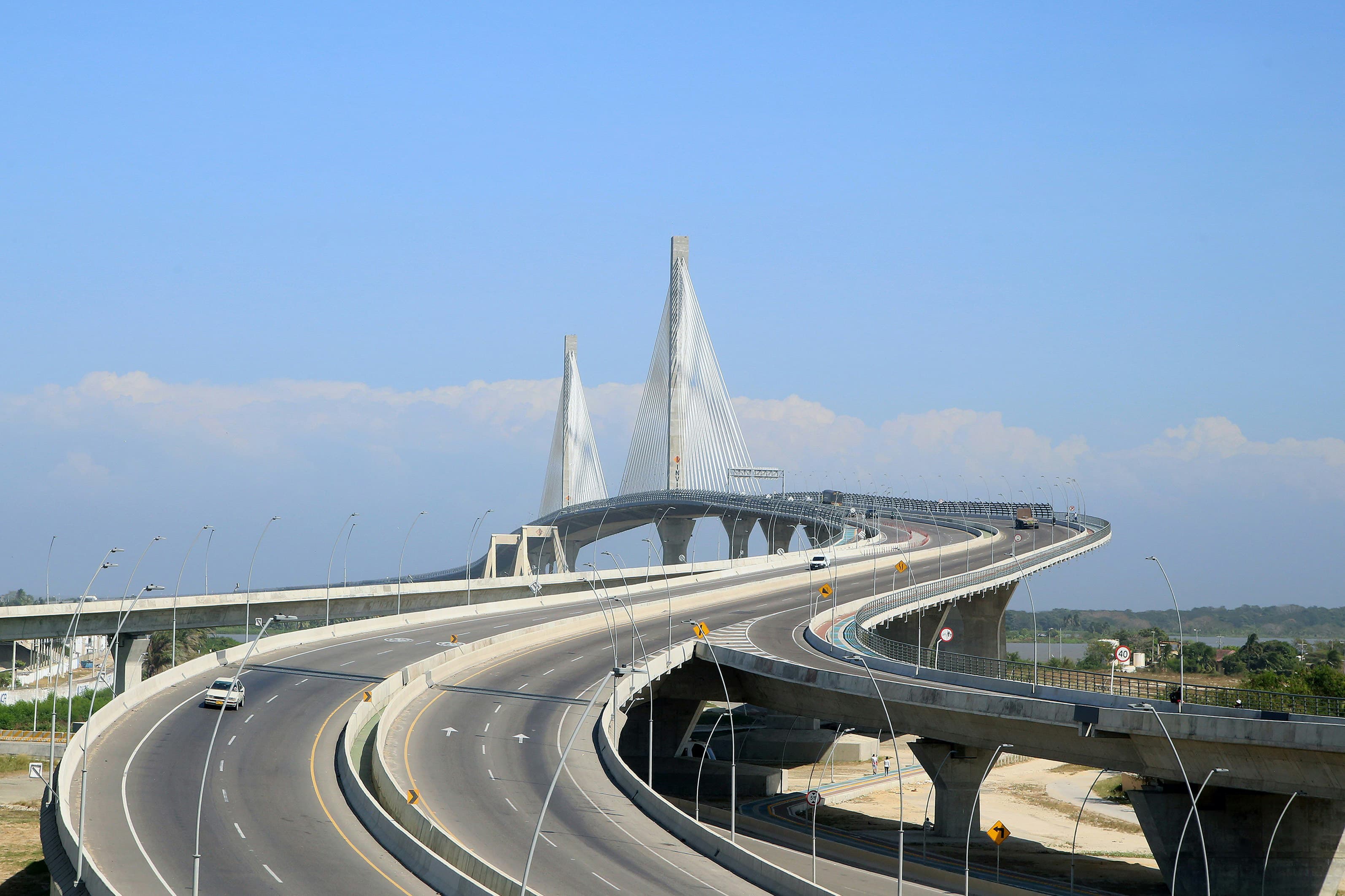
A fast, single-loop out-and-back highway course with premium asphalt and concrete surfaces. The route features gentle rolling hills and highway overpasses rather than major climbs, but is heavily exposed to Caribbean crosswinds and heat.
03
Run
The Malecón Heat
Gran Malecón del Río
DISTANCE
21.1 km
FORMAT
Multi-loop flat
ELEVATION
<10 m
SURFACE
Paved concrete
SHADE
Zero natural shade
PEAK TEMP
34°C
An entirely flat concrete run alongside the Magdalena River on the Gran Malecón boardwalk. This multi-loop course offers zero shade, exposing you directly to the 34°C sun, 75-80% humidity, and radiant heat from the pavement.
03·AVG beginners' Training Timeline
From zero to the finish line
16 weeks
This 16-week progression is specifically structured to build the thermal resilience and wind-riding endurance required for Barranquilla. By prioritizing aerobic efficiency early and layering on heat-acclimatization runs and aerobar pacing later, you will arrive at the start line fully prepared to conquer the intense Caribbean humidity.
Today · WK 0Race Day
WK 1–5
Aerobic Base & Heat Priming
Establish your aerobic baseline and begin early low-intensity heat exposure to prime your cardiovascular system.
WK 6–10
Strength & Wind Resistance
Build muscular endurance to handle the sustained aero-bar posture and crosswinds on the highway.
WK 11–14
Specific Heat & Pacing Build
Simulate exact race-day temperatures and execute long brick sessions focusing on high-sodium hydration.
WK 15–16
Taper & Travel Logistics
Taper volume to shed fatigue while organizing your split transition gear and maintaining peak hydration.
Adapts to your fitness, schedule & recovery every week.
Expect midday highs of 34°C with humidity exceeding 75%. Actively cool yourself at every aid station on the run by dumping ice and cold water directly over your head and chest to lower your core temperature.
Fuel & hydration
Sweat rates will be extreme, so target 800 to 1000 ml of fluids per hour on both the bike and run. Mix in 700 to 1000 mg of sodium per liter alongside 60 to 90 grams of carbohydrates per hour, starting your carb load 48 hours before the race.
Pacing
Pacing is highly rewarded on this flat but grueling course. Maintain a conservative, steady effort on the bike overpasses to save matches for the unshaded, stifling heat of the half marathon.
Gear & logistics
Prepare for a split transition by checking in your bike and T1 gear at Puerto Mocho on Saturday. Pack a high-quality swimskin instead of a wetsuit, and select aerodynamically stable wheels to handle sudden Caribbean crosswinds on the highway.
Frequently Asked Questions
What is the water temperature and wetsuit policy for the IRONMAN 70.3 Barranquilla swim?
The water temperature in the Caribbean Sea at Playa Puerto Mocho averages 27°C (81°F), making the 1.9km swim strictly non-wetsuit legal. You should plan to wear a swimskin to optimize your hydrodynamics in the water. Keep in mind that while the ocean waters are generally calm, you may encounter small swells and currents depending on the coastal winds.
How hard is the IRONMAN 70.3 Barranquilla bike course?
The 90-kilometer bike course is fast and flat, featuring only 360 meters (1,180 feet) of cumulative elevation gain over gentle rolling hills and overpasses. However, it is highly demanding due to environmental factors, specifically strong Caribbean crosswinds, headwinds, and intense heat radiating off the highway asphalt. Pacing is critical on this open out-and-back route, where you must also navigate two major U-turns requiring controlled deceleration and acceleration.
What are the weather conditions and run terrain like at IRONMAN 70.3 Barranquilla?
You will face a true Caribbean climate with high humidity and a midday high of 34°C (92°F). The flat 21.1 km half marathon along the Gran Malecón concrete boardwalk has virtually zero natural shade, leaving you fully exposed to the sun. To manage this heat, you must utilize every aid station to pour ice and cold water over your head and chest while targeting 800-1000ml of high-sodium fluids per hour.
How do logistics work for the split transitions at IRONMAN 70.3 Barranquilla?
This race features a point-to-point layout, meaning Transition 1 is located at Puerto Mocho Beach while Transition 2 and the finish line are at the Gran Malecón del Río. You will need to carefully coordinate your logistics, as you must deposit your bike and T1 gear at Puerto Mocho on Saturday before Sunday's race. For lodging, booking in the northern neighborhoods of Alto Prado or Riomar offers the best access to the finish area and local amenities.
What is the nutrition and hydration strategy for the IRONMAN 70.3 Barranquilla heat?
To combat the extreme heat and humidity, you should start carbohydrate-loading 48 hours prior to the race on Friday. On race day, aim to consume 60-90 grams of carbohydrates per hour alongside 800-1000ml of fluids per hour. Because of exceptionally high sweat rates, ensuring your fluids contain 700-1000mg of sodium per liter is critical to preventing dehydration and cramping.
Your Personalized Plan
Stop guessing your intervals. Train for this course.
FE26 builds your plan around your Strava data, your real schedule, and the exact demands of IRONMAN 70.3 Barranquilla— then adapts every week to how you actually perform.