Lanzarote, SpainMay 23, 2026140.6 mi — Full Distance2 min readPublished April 1, 2026Updated July 4, 2026
Share
01·Course Characteristics
The measure of IRONMAN Lanzarote
Lanzarote demands a tactical masterclass, forcing you to conquer a mountainous 2,500-meter climb, combat relentless 30-50 km/h trade winds, and survive an exposed, scorching marathon with zero shade.
Climate
28°C
Peak air · water 18-20°C · late May
Conditions
Exposed
30-50 km/h trade winds · high UV · zero shade
Elevation
2,500 m
Bike gain · mountainous · 243 m run gain
Difficulty
9.8 / 10
Widely considered the world's toughest full-distance race due to 2,500m of climbing, brutal trade winds, and a scorching unshaded run.
This edition has passed
Training for a future IRONMAN Lanzarote?
Registration for the next edition opens on a rolling basis. Start building your base now and we'll size a full plan the moment a new date is set.
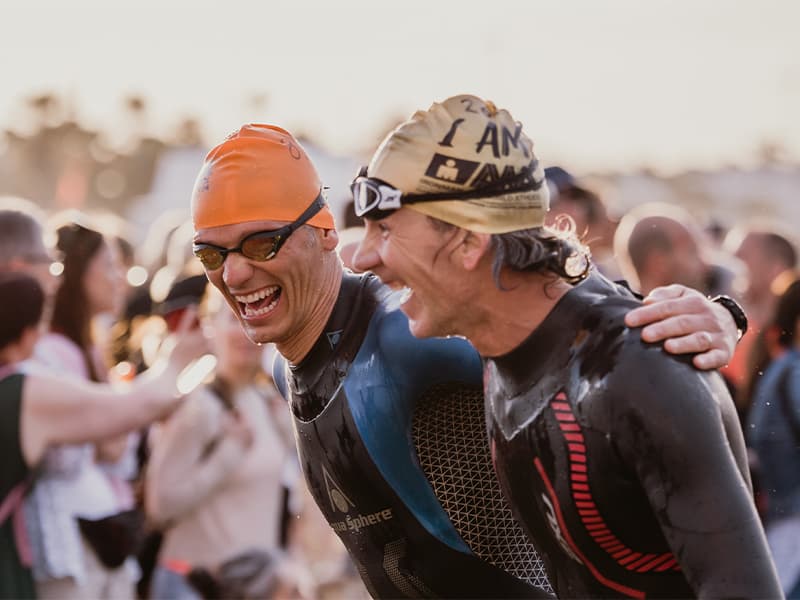
A two-loop swim in the clear Atlantic Ocean featuring an Australian exit beach run between laps. While partially sheltered, expect ocean swells, currents, and challenging sighting on the return loop due to the rising sun.
02
Bike
The Volcanic Single Loop
Lanzarote Island Loop
DISTANCE
180.2 km
LOOPS
Single-loop
ELEVATION
2,500 m
TERRAIN
Mountainous
SURFACE
Rough volcanic asphalt
WIND
30-50 km/h
A grueling, mountainous single loop tracing the island clockwise through volcanic landscapes. You will battle steep climbs like Femés and Mirador del Río, paired with high-speed, technical descents and relentless trade winds.
03
Run
The Coastal Promenade
Avenida de las Playas
DISTANCE
42.2 km
LOOPS
3 loops
ELEVATION
243 m
SURFACE
Paved promenade
SHADE
None
PEAK TEMP
26-30°C
A rolling three-loop out-and-back course along the coastal promenade. The complete lack of shade exposes you directly to intense heat and strong coastal winds on paved but undulating terrain.
03·AVG beginners' Training Timeline
From zero to the finish line
24 weeks
This 24-week plan is custom-built to transition you from a modest aerobic baseline to conquering the world's most demanding full-distance course. We prioritize early aerobic durability, followed by specialized climbing strength, wind-resistance training, and rigorous heat preparation to ensure you survive the relentless volcanic elements and cross the finish line.
Today · WK 0Race Day
WK 1–8
Aerobic Foundation
Build a deep aerobic engine and establish joint durability to prepare for the massive volume ahead.
WK 9–14
Strength & Climbing
Develop vertical climbing power on the bike and resistance to muscular fatigue for the 2,500m of elevation.
WK 15–20
Wind & Heat Adaptability
Build wind-resistance pacing strategies and physiological resilience to high heat and dry coastal environments.
WK 21–24
Taper & Sharpen
Gradually reduce volume while maintaining intensity to arrive fresh and heat-acclimated on the start line.
Adapts to your fitness, schedule & recovery every week.
With peak temperatures reaching up to 30°C and zero shade, utilize every run aid station. Stuff sponges and ice into your hat and tri-suit to actively lower core temperature and combat dry, evaporating winds.
Fuel & hydration
Target 80-120g of carbohydrates per hour on the bike, prioritizing liquid or gel nutrition to prevent distress. Use high-sodium electrolyte drinks and salt capsules to combat severe, wind-masked dehydration.
Pacing
Conserve energy on the grueling bike course by capping your power on major climbs like Femés and Mirador del Río. Plan for finishing times 45-90 minutes slower than flat courses, utilizing a run-walk strategy.
Gear & logistics
Select polarized goggles for the blinding swim return and choose a stable front-wheel depth to handle the 30-50 km/h trade winds. Book lodging in Puerto del Carmen but rent a car for registration.
Frequently Asked Questions
How hard is the IRONMAN Lanzarote bike course?
This bike course is widely considered the toughest on the global circuit, featuring 2,500 meters (8,202 feet) of elevation gain, highly rough volcanic roads, and relentless 30-50 km/h trade winds. Key obstacles include the steep, switchbacked Femés climb, the long haul through Timanfaya's lava fields, and technical, high-speed descents off the northern headlands. You will need exceptional strength and bike-handling skills to manage the continuous headwind and crosswind exposure.
What is the water temperature for the IRONMAN Lanzarote swim?
The water temperature in the Atlantic Ocean at Playa Grande typically ranges between 18°C and 20°C (64°F to 68°F), meaning wetsuits are almost always legal for age-group athletes. The two-lap, 3.8 km swim features an 'Australian exit' beach run between laps and can challenge athletes with ocean swells and currents. To handle the rising sun directly in your eyes on the return leg, we highly recommend wearing tinted or polarized goggles.
What should my nutrition and hydration strategy be for IRONMAN Lanzarote?
Due to dry desert-like winds that mask sweat evaporation, you must use high-sodium electrolyte drinks and salt capsules to prevent severe dehydration and cramping. Aim for a stable carbohydrate intake of 80-120g per hour on the bike, prioritizing liquids and gels over solid food to prevent stomach issues in the intense heat. On the marathon, utilize a run-walk method to easily ingest fuel and stuff ice and sponges from the aid stations into your tri-suit to lower your core temperature.
What is the run course like at IRONMAN Lanzarote?
The run is a rolling, three-loop out-and-back marathon along the coastal promenade (Avenida de las Playas) in Puerto del Carmen, featuring short, energy-sapping hills and 243 meters of elevation gain. The terrain is paved but entirely exposed to direct midday heat peaking near 30°C (86°F) with virtually no shade. Fortunately, you will be buoyed by incredible spectator support from the dense crowds lining the local bars, restaurants, and hotels.
Where should I stay and how do I get around for IRONMAN Lanzarote?
You should book your accommodation in Puerto del Carmen, which serves as the main race hub for the swim start, transition, and finish line. However, because athlete registration and official briefings take place at the Club La Santa resort on the northwest side of the island, renting a car or booking taxi transfers is highly recommended. Make sure to plan your travel in advance, as major roads across six of the island's seven municipalities are completely closed on race day.
Your Personalized Plan
Stop guessing your intervals. Train for this course.
FE26 builds your plan around your Strava data, your real schedule, and the exact demands of IRONMAN Lanzarote— then adapts every week to how you actually perform.