All Race Guides

IRONMAN 70.3 San JuanTraining Plan & Race Guide 2027

San Juan, ArgentinaMarch 1, 202770.3 mi — Half Distance7 min read

Race & Course Analysis

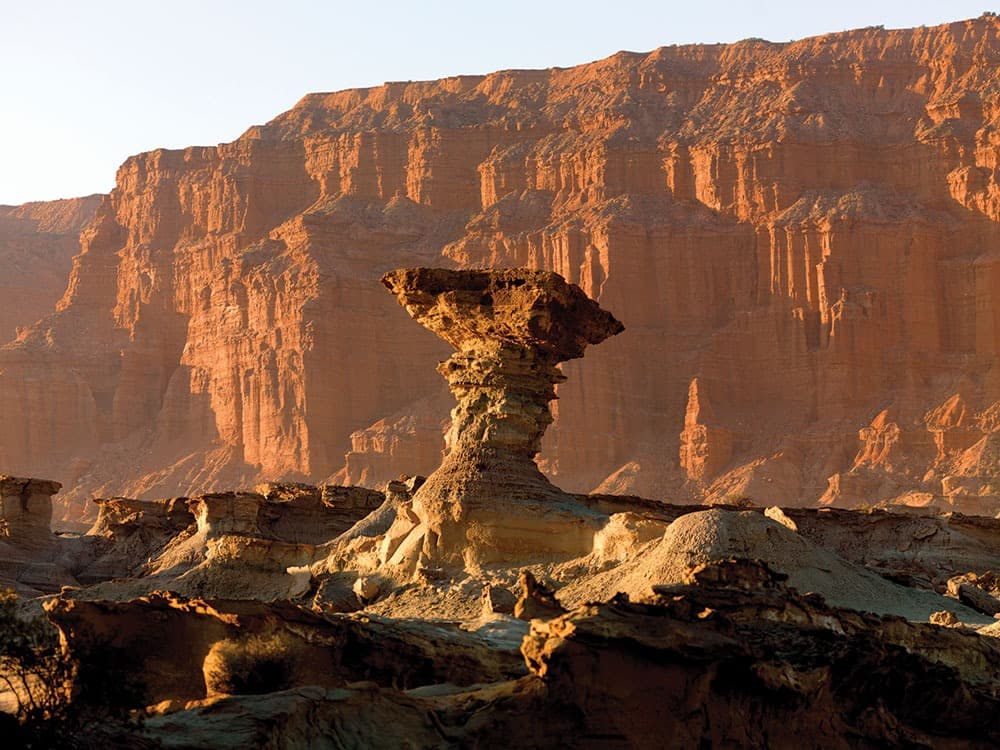
Nestled against the dramatic backdrop of the Andes Mountains, IRONMAN 70.3 San Juan offers one of the most visually stunning yet environmentally demanding courses in the South American circuit. This 113km (70.3-mile) journey takes athletes from the turquoise waters of a mountain reservoir through the arid, wind-swept desert of the Cuyo region, finishing in the vibrant heart of San Juan city.

What distinguishes this race is its atmospheric intensity. While the total elevation gain is manageable, the combination of moderate altitude, relentless solar radiation, and the infamous "Zonda" wind creates a high-stakes environment. It is a race that rewards the tactically disciplined athlete who has prioritized heat adaptation and aerobic efficiency over raw power.

Swim Course

The 1.9km (1.2-mile) swim takes place in the Dique Punta Negra, a freshwater reservoir known for its exceptional clarity and calm conditions. Athletes follow a single-loop counter-clockwise path. With water temperatures typically hovering between 20°C and 21°C (68–70°F), the swim is usually wetsuit-legal.

The primary challenge here is the altitude. At approximately 925 meters (3,035 ft) above sea level, the air is thinner than at most coastal races. Even seasoned swimmers may find their heart rate spiking earlier than expected during the opening 400 meters.

  • Training Implication: Your IRONMAN 70.3 San Juan training plan should include "critical swim speed" (CSS) sets and threshold intervals. These sessions improve your ability to manage oxygen debt, which is crucial for handling the slightly hypoxic conditions at the reservoir without blowing your heart rate before T1.

Bike Course

The 90km (56-mile) bike leg is a scenic point-to-point route that transitions from the mountains to the city. While the course features a net negative elevation profile—descending from the dam toward San Juan—it is far from a passive ride. The route along Ruta Provincial 12 and 60 (Ruta Interlagos) includes roughly 553m (1,814 ft) of rolling elevation gain.

The pavement is high-quality asphalt, but the environmental exposure is total. The "Zonda"—a hot, dry wind descending from the Andes—can turn the latter half of the course into a grueling battle against significant headwinds or unpredictable crosswinds.

  • Training Implication: This course demands muscular endurance and core stability. Incorporate "big gear" intervals (low cadence, high torque) on rolling terrain to simulate the Interlagos rollers. Furthermore, training in a dedicated aero position for long durations is non-negotiable; you will need that aerodynamic efficiency to pierce through the Zonda winds without wasting vital energy for the run.

Run Course

The race concludes with a 21.1km (13.1-mile) run consisting of three loops through downtown San Juan. Starting and ending near the Plaza del Bicentenario, the course is remarkably flat, with only 70m (230 ft) of total elevation gain. The route takes athletes past local landmarks like the Teatro del Bicentenario, providing a fast, urban atmosphere.

However, the lack of natural shade is the defining characteristic of this leg. By the time most athletes reach the run, temperatures can exceed 33°C (91°F). The low humidity causes sweat to evaporate instantly, which can mask the reality of how hard the body is working to cool itself.

  • Training Implication: To prepare for the high-heat urban environment, your training should feature a progressive heat acclimation protocol. In the final weeks of your plan, perform at least two long "brick" sessions (bike-to-run transitions) during the hottest part of the day. Focus on maintaining a high, efficient cadence on flat pavement, as the lack of varied terrain on this course can lead to repetitive motion fatigue if you haven't conditioned your legs for a flat, fast 21km.

Course Summary by the Numbers:

  1. Swim: 1.9km in freshwater at ~925m altitude.
  2. Bike: 90km point-to-point with 553m of gain; exposed to high winds.
  3. Run: 21.1km triple-loop urban course; flat but high-heat exposure.
  4. Climate: Arid desert; temperatures ranging from 15°C (morning) to 34°C (afternoon).

Training Phase Timeline

16 weeks

Aerobic Foundation

Wk 14 · 4 wk

Strength & Elevation

Wk 58 · 4 wk

Race Specificity & Heat

Wk 912 · 4 wk

Peak Intensity

Wk 1314 · 2 wk

Taper & Sharpness

Wk 1516 · 2 wk

Plan Overview

You will begin this journey by building a robust aerobic foundation, focusing on efficiency and consistency. Because the 1.9km swim in the Dique Punta Negra and the initial bike segments take place at nearly 1,000 meters above sea level, early phases emphasize steady-state efforts to improve your oxygen utilization. As you progress into the Strength and Elevation phase, you will incorporate hill repeats and big-gear intervals to prepare your legs for the 553m of elevation gain on the bike. This ensures you can handle the rolling hills of Ruta Interlagos without over-exerting yourself before the long descent back toward San Juan city.

In the final eight weeks, you will focus heavily on race specificity, particularly managing the harsh environmental factors of the Argentine desert. You will train to combat the 'Zonda' winds by practicing aero-position holds during high-intensity intervals. Because the flat, 3-loop run course offers very little shade and temperatures can soar above 33°C, you will implement a heat-acclimation protocol and a high-sodium hydration strategy. This plan is designed to ensure you don't just reach the finish line at Plaza del Bicentenario, but that you do so with the resilience needed to conquer the heat and the wind.

Phase 1

Aerobic Foundation

Wk 144 weeks

Building low-intensity aerobic capacity and functional strength to prepare for the 16-week volume.

Phase 2

Strength & Elevation

Wk 584 weeks

Developing muscular endurance for the rolling 553m bike gain and aerobic efficiency for the 925m swim altitude.

Phase 3

Race Specificity & Heat

Wk 9124 weeks

Implementing race-pace intervals, heat acclimation protocols, and hydration strategy for the arid San Juan climate.

Phase 4

Peak Intensity

Wk 13142 weeks

Maximum volume and long 'brick' sessions to simulate the transition from the rolling bike to the hot, urban run.

Phase 5

Taper & Sharpness

Wk 15162 weeks

Reducing training load to shed fatigue while maintaining speed and finalizing logistics for the point-to-point course.

Race Day Execution

To excel at IRONMAN 70.3 San Juan, you must look beyond the power meter and focus on the environmental stressors. Success in the Argentine desert is defined by your ability to manage rapid dehydration and the volatile "Zonda" winds. This execution guide provides the science-based protocols needed to conquer the course and reach the Plaza del Bicentenario in peak form.

Weather & Climate Strategy

The San Juan climate is deceptively hostile. Because the humidity is extremely low, sweat evaporates instantly, providing effective cooling but masking the actual rate of fluid loss.

  • Heat Acclimation: Start a heat protocol 14 days before the race. Incorporate 30–45 minute post-workout sauna sessions or low-intensity indoor rides in a heated room (without fans) to trigger plasma volume expansion.
  • The Zonda Factor: Prepare for the Zonda—a dry, hot wind that can spike temperatures by 10°C in an hour. If the wind picks up on the bike, lower your power targets by 5–10% to prevent overheating before the run.
  • UV Protection: The solar intensity at 925m altitude is significant. Apply a high-zinc, water-resistant sunscreen during T1 and T2. Consider "cooling" sleeves to protect skin from direct radiation on the exposed run.

Nutrition & Hydration Plan

Standard hydration plans often fail in San Juan due to the "dry-sweat" phenomenon. You will likely lose more sodium than you feel, as your kit will rarely feel "soaked."

  1. High-Sodium Protocol: Target 800–1,200mg of sodium per hour. Use an electrolyte mix specifically formulated for high sweat rates.
  2. Front-Load on the Bike: The run course offers zero shade. Aim to consume 750ml–1L of fluid per hour on the bike. By the time you start the run, your goal is to be fully hydrated, as your gut’s absorption rate will decrease in the 33°C+ urban heat.
  3. Carbohydrate Delivery: Target 70–90g of carbohydrates per hour. Use liquid or gel sources primarily; solid foods may be difficult to process as blood flow is diverted to the skin for cooling.
  4. Pre-Race Loading: Increase sodium intake by 1,000mg the evening before and 500mg with your pre-race breakfast (3 hours before the start).

Gear & Transition Setup

Logistics are complex in San Juan due to the 35km gap between T1 and T2.

  • Wheel Choice: A mid-depth front wheel (40–60mm) is safer than a deep-section rim if Zonda crosswinds occur on the descent. A rear disc is recommended for the fast, paved sections.
  • Split Transition Bag Strategy:
    • Blue Bag (Bike): Include extra chamois cream and a small bottle of water to rinse salt from your face after the reservoir swim.
    • Red Bag (Run): Pack a white, vented race cap and handheld flasks. Even with aid stations, having your specific electrolyte mix during the long, hot urban straightaways is a competitive advantage.
  • Cooling Gear: Consider an "ice hat" or a cooling neck wrap. In the 3-loop run, keeping your core temperature down is more important than shoe weight.

Pacing & Mental Strategy

  • Swim (Altitude Awareness): At nearly 1,000m, the air is thinner. Start the first 400m at a controlled RPE (Rate of Perceived Exertion) of 6/10 to avoid anaerobic debt, which is harder to clear at altitude.
  • Bike (The Descent): Don’t be fooled by the net negative profile. Stay aero and keep the pressure on the pedals during the descent into the city. Use the rolling sections to "micro-rest" by tucking, but avoid coasting.
  • Run (The "Blast Furnace"): The urban loops are flat and fast but mentally grueling due to the heat. Break the 21.1km into three distinct 7km blocks.
    • Block 1: Find your rhythm; stay 5–10 seconds per km slower than goal pace.
    • Block 2: Maximum hydration and ice at every station.
    • Block 3: Empty the tank, utilizing the energy from the passionate San Juan crowds.

Travel & Logistics

  • Arrival: Arrive at least 72 hours before race day to adjust to the altitude and the arid climate.
  • Airport/Transport: Flying into Mendoza (MDZ) is often more reliable than San Juan (UAQ). Rent a car; you will need it to manage the point-to-point logistics and to scout the T1 location at the dam.
  • Accommodation: Stay within walking distance of the Plaza del Bicentenario (T2). This allows you to finish the race and return to your hotel easily without relying on shuttles.
  • Recon: Drive the Ruta Interlagos at least once. Pay attention to the wind direction in the afternoon to understand how it might affect your return to the city.

Your Personalized Training Plan

Your Personal Path to IRONMAN 70.3 San Juan

While this guide provides a foundation, every athlete is unique. FE26 creates a personalized plan by analyzing:

  • Your Data: Seamless Strava integration to benchmark your current fitness.
  • Your Life: Training blocks that adapt to your real-world schedule.
  • The Course: Workouts specifically engineered for these unique race demands.
  • Your Recovery: Weekly adaptive periodization that adjusts targets based on your actual performance.

Stop guessing your intervals. Start training with a system that evolves with you.

Create Your IRONMAN 70.3 San Juan Training Plan