Vichy, FranceAugust 23, 202670.3 mi — Half Distance2 min readPublished April 5, 2026Updated July 4, 2026
Share
01·Course Characteristics
Tactical Pacing in Thermal Peaks
Success in Vichy hinges on mastering a hilly volcanic bike course followed by an exposed, sun-drenched lakeside run where late-August temperatures frequently surpass 30°C.
Climate
30°C
Peak air · water 24-26°C · late August
Conditions
Exposed
Unshaded run · high thermal load · smooth tarmac
Elevation
1030 m
Bike gain · single-loop · long steady climbs
Difficulty
8 / 10
Extreme late-August heat combined with 1030 meters of rolling elevation on the bike makes this a demanding, tactical survival test.
This edition has passed
Training for a future IRONMAN 70.3 Vichy?
Registration for the next edition opens on a rolling basis. Start building your base now and we'll size a full plan the moment a new date is set.
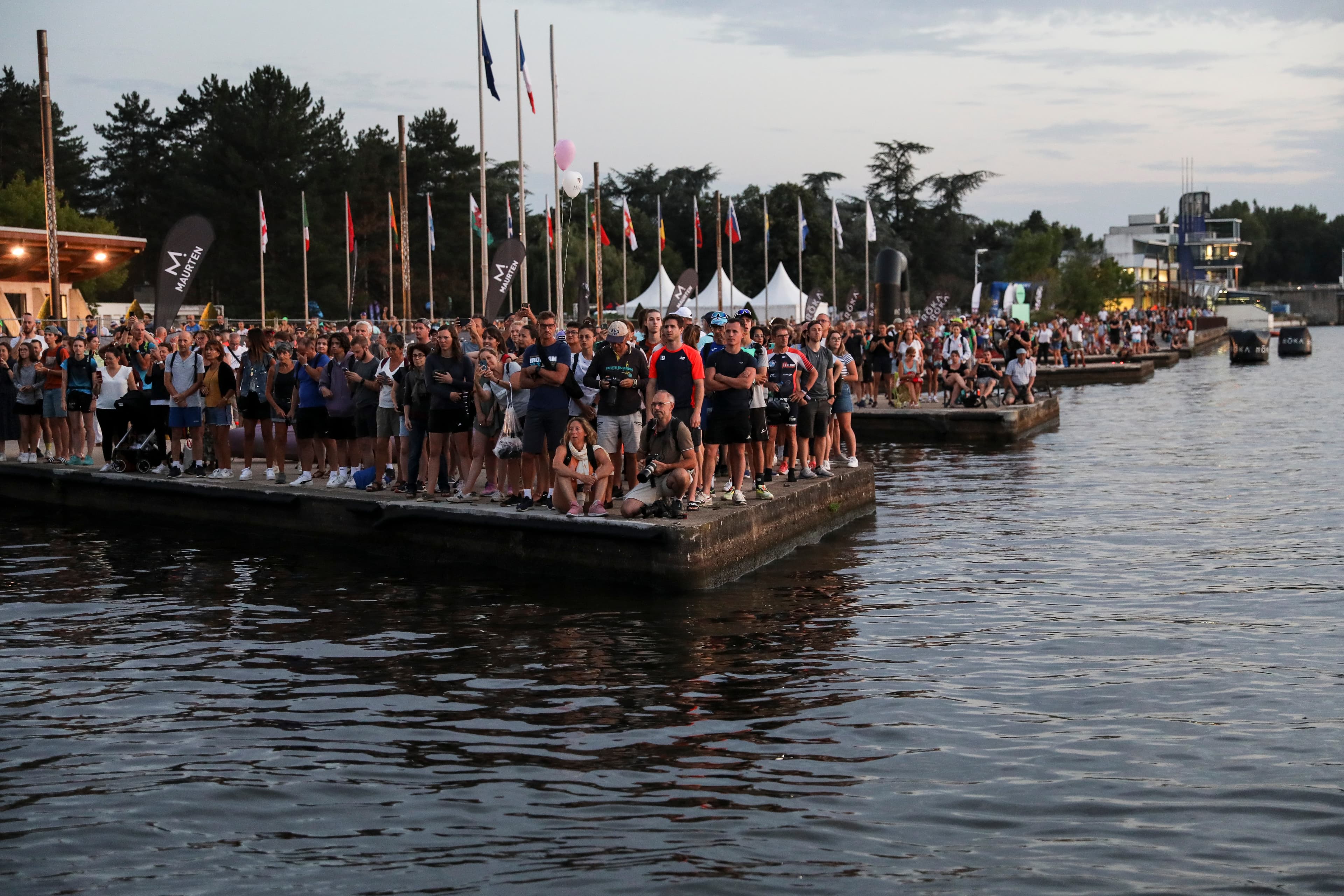
A calm single-loop swim in Lake Allier utilizing the rowing lane infrastructure for easy navigation. The morning sun can be highly blinding on the return leg, but water currents are virtually non-existent.
02
Bike
The Volcanic Loop
Auvergne & Montagne Bourbonnaise
DISTANCE
90 km
LOOPS
1
ELEVATION
1030 m
TERRAIN
Hilly & rolling
SURFACE
Smooth tarmac
A scenic single-loop course featuring a steady 16 km climb up to Saint-Nicolas des Biefs followed by fast, highly technical descents. The initial 15 km are flat along the river, but the remaining course tests your climbing and descending skills.
03
Run
The Sun-Drenched Promenades
Lac d'Allier & Historic Parks
DISTANCE
21.1 km
LOOPS
2
ELEVATION
187 m
SHADE
Minimal on riverbanks
PEAK TEMP
30-38°C
A flat, two-loop course wrapping around the lake and winding through local parks with brief cobblestone sections. The primary obstacle is the intense midday heat and lack of shade along the riverbanks.
03·AVG beginners' Training Timeline
From zero to the finish line
16 weeks
This 16-week structured plan transitions you from general fitness to race readiness by targeting Vichy's dual challenges: the rolling 1030m bike climb and the extreme late-August heat. Base building precedes specific climbing workouts, followed by targeted thermal pacing blocks to ensure your body survives the hot, flat run.
Today · WK 0Race Day
WK 1–4
Aerobic Base & Heat Priming
Develop early cardiovascular resilience and initiate initial metabolic efficiency.
WK 5–8
Strength & Climbing Power
Build muscular endurance to handle the 1030-meter elevation profile of the Vichy bike loop.
WK 9–13
Race-Specific Build & Thermal Adaptation
Incorporate long, specific bricks and simulated warm-weather sessions.
WK 14–16
Taper & Sharpen
Reduce volume while maintaining intensity to peak for Vichy's demanding thermal and hilly profile.
Adapts to your fitness, schedule & recovery every week.
Prepare for extreme afternoon heat reaching 30°C to 38°C. Use every aid station to grab sponges, ice, and cold water to actively lower your core body temperature.
Fuel & hydration
Aim for 750 to 1000 ml of fluid per hour containing 600 to 1000 mg of sodium to combat heavy sweating. Consume 60 to 90 grams of easily digestible carbohydrates hourly on the bike.
Pacing
Ride conservatively during the long 16 km climb to Saint-Nicolas des Biefs. Save matches for the brutal run, keeping your heart rate capped on the bike's flat starting segment.
Gear & logistics
Pack polarized goggles for the low morning sun and choose non-wetsuit swim skins. Book central Vichy hotels near the thermal spas to walk easily to the transition area.
Frequently Asked Questions
What is the water temperature for the IRONMAN 70.3 Vichy swim and are wetsuits allowed?
Water temperatures in Lake Allier typically average between 24°C and 26°C (75°F–79°F) in late August, which means wetsuits are frequently banned if they exceed the 24.6°C (76.1°F) threshold. Since you will likely be swimming without a wetsuit, you should practice your non-wetsuit pacing and bring polarized or tinted goggles to handle the bright morning sun on the return leg.
How hard is the IRONMAN 70.3 Vichy bike course?
The 90 km single-loop bike course is moderately hard to difficult, featuring approximately 1,030 meters (3,379 ft) of elevation gain. Key challenges include a long, steady 16 km climb averaging a 3% grade up to Saint-Nicolas des Biefs and fast, technical descents that require high focus. While the road surfaces are generally smooth tarmac, they can become highly slippery if it rains during the summer.
What is the run course like for IRONMAN 70.3 Vichy?
The 21.1 km run course is extremely flat with only 187 meters of elevation gain, consisting of two loops around the lakeside paths of Lake Allier and through Vichy's parks. The terrain is a mix of asphalt, paved promenades, hard-packed gravel, and a few short cobblestone sections. A major challenge is the lack of shade along the riverbanks, which exposes you directly to the intense midday heat.
How should I manage my nutrition and hydration for IRONMAN 70.3 Vichy?
With late-August temperatures frequently soaring between 30°C and 38°C (86°F–100°F), you should target consuming 750–1000 ml of fluid and 600–1000 mg of sodium per hour depending on your sweat rate. Aim for 60–90 grams of easily digestible carbohydrates per hour on the bike. During the run, make it a priority to take water, sports drinks, and cooling sponges at every single aid station to manage your core temperature.
What are the best travel and accommodation options for IRONMAN 70.3 Vichy?
You can fly into Lyon-Saint Exupéry Airport (about 2 hours away by car) or Clermont-Ferrand Auvergne Airport (about 45 minutes away), or take a direct 3-hour train from Paris. It is highly recommended to book your lodging in central Vichy near the Opéra or thermal spas. This puts you within a 1 to 1.5 km walk of the centralized transition area at the Centre Omnisports Pierre Coulon, helping you easily bypass race-day road closures.
Your Personalized Plan
Stop guessing your intervals. Train for this course.
FE26 builds your plan around your Strava data, your real schedule, and the exact demands of IRONMAN 70.3 Vichy— then adapts every week to how you actually perform.