IRONMAN 70.3 Western SydneyTraining Plan & Race Guide 2026
Penrith, AustraliaMay 3, 202670.3 mi — Half Distance2 min readPublished April 1, 2026Updated July 4, 2026
Share
01·Course Characteristics
The speedway of Western Sydney
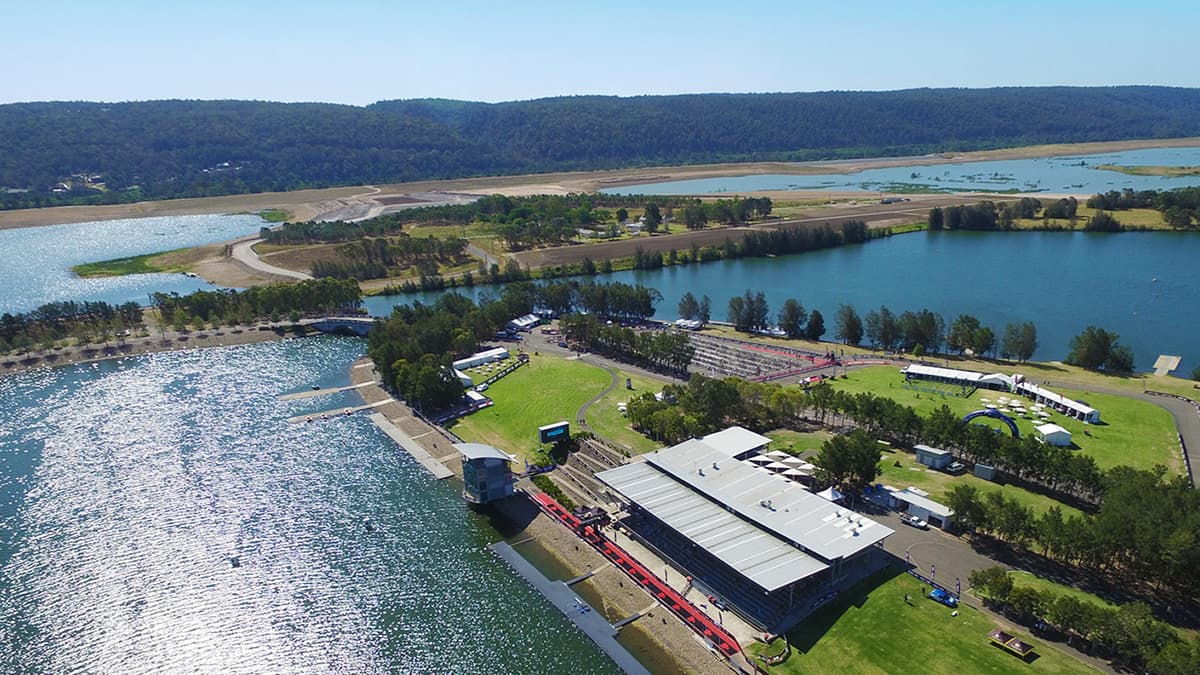
Held at the Olympic rowing venue in Penrith, this flat course features a sheltered lake swim, a fast country road bike leg, and a multi-loop paved run. Success demands holding your aerodynamic posture and managing direct sun exposure.
Climate
21-24°C
Peak air temperature · water 19-21°C · cool 9°C morning
Conditions
Exposed
Direct sun on run · midday crosswinds · zero shade
Elevation
174-267 m
Bike elevation gain · exceptionally flat · no climbs
Difficulty
2 / 10
A sheltered lake swim and flat profiles make this an ideal PB course, but the relentless pedaling without descents causes glute and back fatigue.
This edition has passed
Training for a future IRONMAN 70.3 Western Sydney?
Registration for the next edition opens on a rolling basis. Start building your base now and we'll size a full plan the moment a new date is set.
A single clockwise loop in the calm, sheltered waters of the purpose-built Olympic rowing venue. You will experience no currents, swells, or waves, and the rectangular lane layout makes sighting extremely simple.
02
Bike
Flat and Fast Plains
Castlereagh Road and McCarthy's Lane
DISTANCE
90 km
LOOPS
2 laps
ELEVATION
174-267 m
SURFACE
Smooth asphalt
WIND
Midday crosswinds
An exceptionally flat, two-lap out-and-back course on smooth, high-quality asphalt. Aside from tight, low-speed turns inside the SIRC venue during transition, you will ride wide-open country roads exposed to building midday crosswinds.
03
Run
The Grandstand Loop
SIRC Lake and Great River Walk
DISTANCE
21.1 km
LOOPS
3 laps
ELEVATION
65 m
SURFACE
Concrete & asphalt
SHADE
Minimal
A flat, three-lap paved circuit that winds around the regatta lake and the Nepean River. The layout keeps you highly visible to spectators but offers almost no shade, exposing you directly to the autumn sun.
03·AVG beginners' Training Timeline
From zero to the finish line
16 weeks
This 16-week progression is custom-tailored for the flat and relentless nature of Western Sydney. Because the course offers no natural hills or descents to rest your muscles, the program front-loads postural durability on the bike and progressive, flat concrete run volume to prepare your joints and glutes for continuous work.
Today · WK 0Race Day
WK 1–4
Aerobic Base Development
Build fundamental aerobic capacity and swimming stamina in calm water environments.
WK 5–8
Aero Position Durability
Increase riding volume while extending continuous intervals held strictly in your aerodynamic position.
WK 9–13
Race-Specific Simulation
Develop muscular endurance with brick workouts and flat, uninterrupted pacing runs in the sun.
WK 14–16
Taper & Sharpen
Reduce training volume to shed fatigue while executing short, high-quality efforts to stay sharp.
Adapts to your fitness, schedule & recovery every week.
Morning temperatures start around a crisp 9°C but rise to 21-24°C by midday. Use a running cap, sunglasses, and high-SPF sunblock to protect yourself from the highly exposed, shade-free run circuit.
Fuel & hydration
Without natural descents on the bike, stick to a strict time-based nutrition plan of 60-90g of carbohydrates per hour. Grab cool fluids and electrolytes at the run aid stations, spaced every 2 kilometers, to prevent cramping.
Pacing
Do not over-torque on the flat bike course; keep a steady power output and high cadence to preserve your legs. On the run, pace the first lap conservatively as the lack of shade and paved ground can elevate your heart rate quickly.
Gear & logistics
Plan to rent a car for the 50-minute drive from Sydney Airport. Arrive at the SIRC venue by 5:00 AM on race morning to beat the heavy parking congestion when the gates open.
Frequently Asked Questions
What is the water temperature and wetsuit policy for the IRONMAN 70.3 Western Sydney swim?
The water temperature in the freshwater Penrith Lake typically averages between 19 and 21 degrees Celsius (66 to 70 degrees Fahrenheit), which generally makes wetsuits legal for the swim. However, you should prepare for the slight possibility of a non-wetsuit swim if the water temperature exceeds the 24.5 degrees Celsius (76.1 degrees Fahrenheit) threshold. Because the swim is held in a sheltered, man-made Olympic rowing basin, you will enjoy calm conditions with absolutely no currents, waves, or swells.
How difficult is the bike course at IRONMAN 70.3 Western Sydney?
With an incredibly low elevation gain of only 174 to 267 meters, the flat, fast 90 km bike course is rated an easy to moderate 2 out of 10 in overall difficulty. However, the relentless flat terrain requires continuous pedaling with no natural descents, meaning you must train to stay comfortable in an aerodynamic position for long stretches to prevent lower back and glute fatigue. You should also prepare for potential midday crosswinds as you head out onto the open, flat agricultural plains of Castlereagh Road.
What is the run course profile like for IRONMAN 70.3 Western Sydney?
The 21.1 km run is a flat, three-lap paved course consisting of asphalt and concrete loops around the Sydney International Regatta Centre lake and the Great River Walk. It features a minimal total elevation gain of about 65 meters and zero climbs, making it exceptionally fast. There is very little shade along the path, so you will need to wear a running cap, sunglasses, and sunblock to manage the direct sun exposure as temperatures reach midday highs of 21 to 24 degrees Celsius.
What should my nutrition and hydration strategy be for the race?
Because the flat bike course demands continuous pedaling without natural coasting breaks, you must execute a strict, time-based fueling strategy to consume 60 to 90 grams of carbohydrates per hour. Hydration is highly critical on the exposed run course, where you can access aid stations spaced approximately every 2 kilometers to help combat midday temperatures that can rise to the low 20s. On the bike, you can plan your hydration around aid stations located at convenient 20-kilometer intervals.
What are the best travel and parking tips for IRONMAN 70.3 Western Sydney?
The Sydney International Regatta Centre (SIRC) is a 50-minute drive from Sydney Airport, making a rental car the highly recommended option for easily transporting your bike box. Accommodation is best secured nearby in Penrith, Campbelltown, or the lower Blue Mountains. On race morning, local road closures begin at 5:00 AM, so you should plan to arrive exactly when the gates open to secure a spot in the heavily congested on-site parking lot.
Your Personalized Plan
Stop guessing your intervals. Train for this course.
FE26 builds your plan around your Strava data, your real schedule, and the exact demands of IRONMAN 70.3 Western Sydney— then adapts every week to how you actually perform.