Penghu, TaiwanApril 12, 2026140.6 mi — Full Distance2 min readPublished April 1, 2026Updated July 4, 2026
Share
01·Course Characteristics
The windy trial of Penghu
A brutal test of raw physical stamina and mental resolve, where punishing Strait of Taiwan head winds meet oppressive humidity and a scorched, shadeless run course.
Climate
32°C
Peak air · water 24-24.5°C · high humidity of 80-90%
Conditions
Blustery
Fierce crosswinds 35-60 km/h · zero shade · high UV
Elevation
1,040 m
Bike gain · rolling causeways · no major climbs
Difficulty
9 / 10
Relentless coastal winds completely drain the legs on the bike before athletes face a brutally hot, humid, and entirely unshaded marathon.
This edition has passed
Training for a future IRONMAN Penghu?
Registration for the next edition opens on a rolling basis. Start building your base now and we'll size a full plan the moment a new date is set.
A two-loop rectangular saltwater swim held in the relatively sheltered waters of Guanyinting Bay. Despite the bay's shelter, athletes must navigate strong ocean currents and remain alert for sea lice or jellyfish.
02
Bike
Archipelago Causeway Traverse
Multi-island point-to-point and loop
DISTANCE
180 km
LOOPS
Point-to-point & loop
ELEVATION
1,040 m
WIND
35-60 km/h gusts
SURFACE
Smooth & rough asphalt
WHEELS
Disc wheels banned
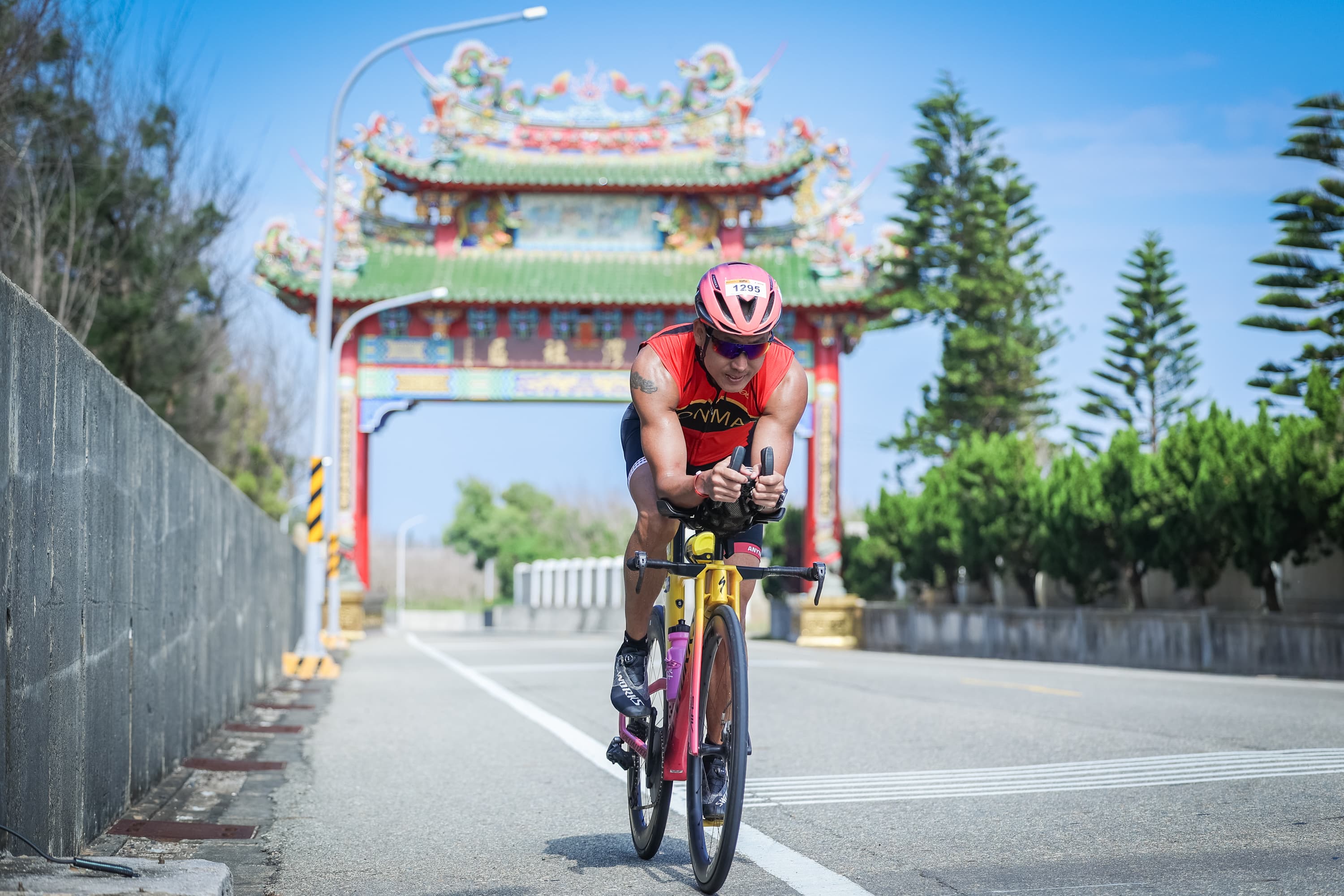
A rolling route stretching across the islands of the Penghu archipelago via long, exposed levee bridges and causeways. Relentless headwinds and dangerous crosswinds off the Taiwan Strait turn this moderately rolling course into a grueling mountain-like effort.
03
Run
Magong Fishing Port Maze
Central Magong & Fishing Port
DISTANCE
42.2 km
LOOPS
Multi-loop out-and-back
ELEVATION
112-311 m
SHADE
Zero
PEAK TEMP
32°C
A flat, multi-loop marathon winding through the streets of central Magong and around the local fishing port. The layout is highly exposed, leaving you fully vulnerable to the intense afternoon sun and stifling humidity.
03·AVG beginners' Training Timeline
From zero to the finish line
24 weeks
This 24-week plan is specifically engineered to address the severe environmental challenges of Penghu. By front-loading aerobic durability and building specific resistance to relentless winds, followed by late-stage heat adaptation, you will develop the physical resilience and pacing discipline required to conquer this grueling island course.
Today · WK 0Race Day
WK 1–8
Aerobic Base & Stability
Establish a solid cardiovascular base and core stability to handle future high-volume training.
WK 9–14
Wind Resistance & Strength
Build muscular endurance and steady-state power to combat severe headwind conditions on the bike.
WK 15–20
Heat & Specific Build
Incorporate heat acclimatization and high-humidity simulation runs while executing race-pace bricks.
WK 21–24
Peak & Taper
Reduce volume significantly while maintaining intensity, allowing your body to absorb the load and arrive fresh.
Adapts to your fitness, schedule & recovery every week.
With real-feel temperatures exceeding 40°C due to 90% humidity, proactive cooling is vital. Walk through every aid station to douse your head and body with ice and cold water to keep your core temperature down.
Fuel & hydration
Extremely high sweat rates demand aggressive fluid and sodium replenishment. Carry extra hydration bottles on your bike, use electrolyte tablets, and utilize your special needs bags to ensure self-sufficiency.
Pacing
Treat the windy bike course with extreme respect; fighting the 60 km/h gusts too hard will destroy your legs for the marathon. Keep a steady, conservative power output on the causeways and brace for a survival-focused run pace.
Gear & logistics
Leave your rear disc wheel at home as they are strictly banned due to safety. Rent a local scooter to easily navigate between the separate T1 and T2 venues, and book your small domestic flight to Penghu early to secure bike cargo space.
Frequently Asked Questions
What are the rules regarding disc wheels at IRONMAN Taiwan Penghu?
Rear disc wheels are strictly banned on the IRONMAN Taiwan Penghu bike course due to safety concerns over high winds. The open causeways and levee bridges of the Penghu archipelago are subject to fierce crosswinds and headwinds off the Taiwan Strait that regularly gust between 35 and 60 km/h.
How difficult is the IRONMAN Taiwan Penghu course?
This course is rated an exceptionally difficult 9 out of 10, widely regarded as a grueling 'badge of honor' race. While the elevation profile is only moderately rolling, the relentless wind on the bike completely drains your legs, forcing you to tackle a brutally hot, humid, and completely unshaded marathon.
Is the swim at IRONMAN Taiwan Penghu wetsuit legal?
With average saltwater temperatures hovering around 24.3%C (75.7%F), the swim in Guanyinting Bay is borderline wetsuit-legal for age-group athletes but strictly non-wetsuit for professionals. Additionally, athletes should prepare for strong ocean currents and the potential presence of sea lice or jellyfish in the bay.
How much elevation gain is on the IRONMAN Penghu bike course?
You will face approximately 3,138 to 3,699 feet (956 to 1,127 meters) of total elevation gain on the 112-mile bike course, depending on the specific route layout. Though the terrain is only moderately rolling, the fierce headwind resistance will make the gentle climbs feel as exhausting as slogging up a steep mountain.
What is the best way to travel to Penghu with a bike?
You should fly into Taipei or Kaohsiung and catch a domestic flight to Penghu Airport, but you must book early because domestic planes are small with highly limited bike cargo space. Alternatively, you can utilize local bike shipping services, and once you arrive, renting a scooter is highly recommended to easily navigate between the spread-out venues and split transition areas.
Your Personalized Plan
Stop guessing your intervals. Train for this course.
FE26 builds your plan around your Strava data, your real schedule, and the exact demands of IRONMAN Penghu— then adapts every week to how you actually perform.