IRONMAN Lake PlacidTraining Plan & Race Guide 2026
Lake Placid, United StatesJuly 19, 2026140.6 mi — Full Distance2 min readPublished July 8, 2026
Share
01·Course Characteristics
The Crucible of the Adirondacks
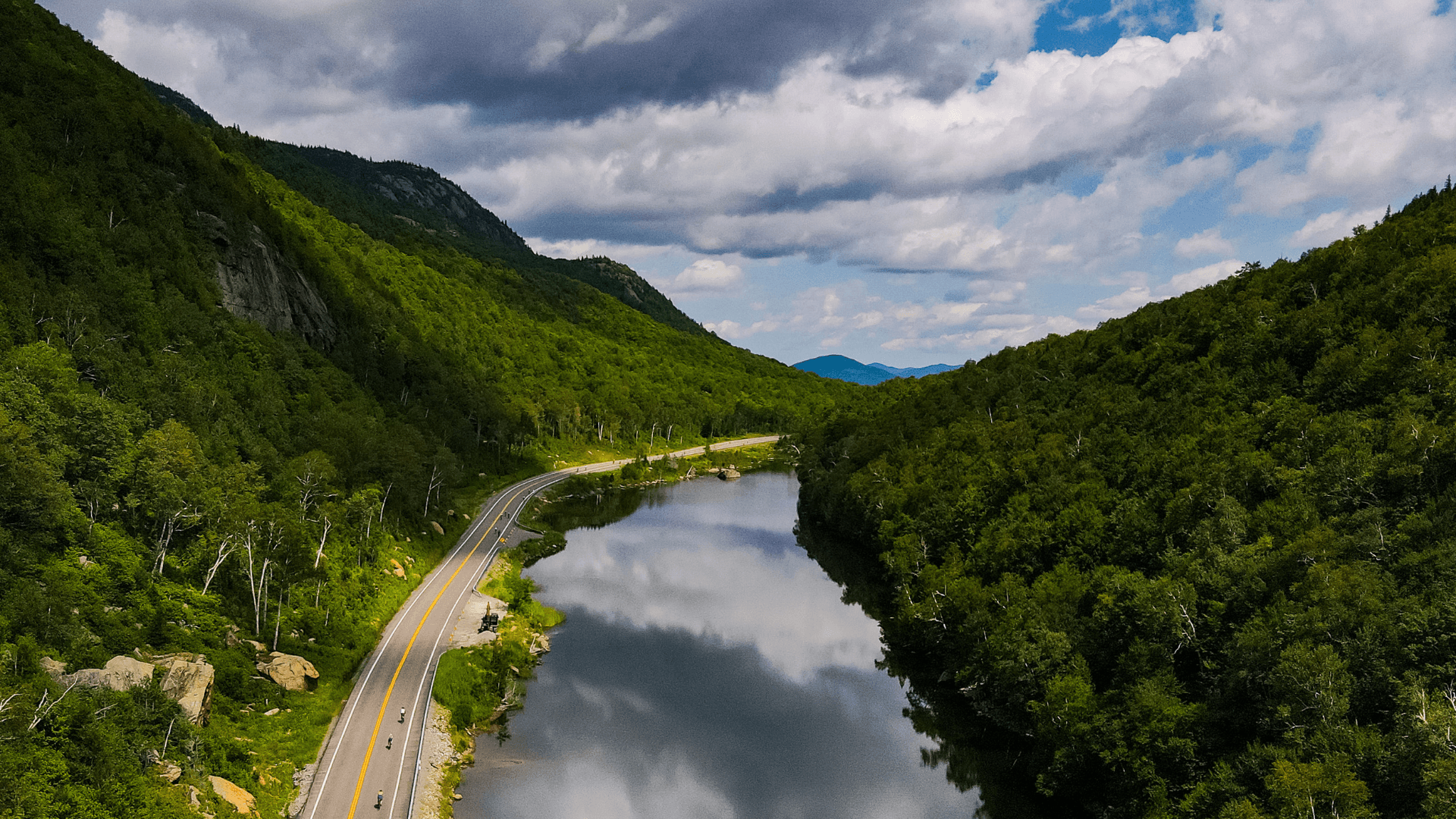
A legendary test defined by over 2,000 meters of relentless mountain climbing, variable high-peaks weather, and a punishing, high-humidity run finishing on the historic Olympic Oval.
Climate
25°C
Peak air · water 20-22°C · late July
Conditions
Variable
Morning chill · high afternoon humidity · sudden mountain storms
Elevation
2,120 m
Bike gain · two loops · includes three bears
Difficulty
8.5 / 10
Massive climbing on the bike combined with double climbs of Mill Hill on the run and highly variable mountain weather justify the severe physical demand.
This edition has passed
Training for a future IRONMAN Lake Placid?
Registration for the next edition opens on a rolling basis. Start building your base now and we'll size a full plan the moment a new date is set.
A calm, two-loop freshwater swim in pristine Mirror Lake. Athletes benefit from a unique underwater cable that serves as a perfect sighting line, removing the need to lift your head constantly.
02
Bike
Adirondack Mountain Loops
Adirondack High Peaks Region
DISTANCE
180 km
ELEVATION
2,120 m
LOOPS
2
CLIMBS
Three Bears & The Notch
WIND
Headwinds on Route 86
A technical two-loop course featuring high-speed descents reaching over 70 km/h down Route 73, followed by a sustained climb in Jay and the notorious 18-kilometer false-flat climb back up the Notch.
03
Run
The Mill Hill Marathon
Olympic Speed Skating Oval & River Road
DISTANCE
42.2 km
ELEVATION
310 m
LOOPS
2
SHADE
Minimal on River Road
A punishing two-loop marathon starting with a steep descent down Mill Hill onto the exposed, rolling River Road. The real sting is the grueling climb back up Mill Hill before finishing on the iconic Olympic Oval.
03·AVG beginners' Training Timeline
From zero to the finish line
24 weeks
This 24-week plan systematically builds the aerobic engine and mechanical resilience required for Lake Placid's massive elevation. It emphasizes high-torque hill repetitions on the bike and eccentric run training early on, ensuring your legs can survive the double ascent of Mill Hill on race day.
Today · WK 0Race Day
WK 1–8
Aerobic Foundation
Build basic aerobic capacity and local muscular endurance in the legs for early climbing prep.
WK 9–14
Strength & Mountain Prep
Develop specific low-cadence climbing power and eccentric quad strength for the hilly terrain.
WK 15–20
Race-Specific Build
Build back-to-back long rides and runs simulating the elevation profile and pacing strategy.
WK 21–24
Taper & Sharpen
Reduce volume to shed fatigue while maintaining high intensity to arrive fresh and fast.
Adapts to your fitness, schedule & recovery every week.
Prepare for cool 12°C morning starts that transition rapidly to humid 25°C afternoons. Use ice and cold water at run aid stations to counter the high 79% humidity along the exposed River Road section.
Fuel & hydration
Consume the bulk of your nutrition on the flatter sections near Upper Jay, as the high-speed descent on Route 73 makes eating difficult. Target aggressive sodium and fluid replacement on the run to fight afternoon sweat rates.
Pacing
Do not over-torque on the technical climbs or burn matches early on the three bears. Maintain a conservative, steady effort on the first bike loop, saving energy to climb Mill Hill twice during the marathon.
Gear & logistics
Fit a compact 50/34 or 52/36 chainring with an 11-30 or 11-32 cassette to sustain a high cadence. Reserve accommodation 11 to 12 months in advance, and plan to walk or shuttle to the Olympic Oval transition on race morning.
Frequently Asked Questions
What is the water temperature for the IRONMAN Lake Placid swim?
Water temperatures in Mirror Lake typically range from 68°F to 72°F, which makes the swim historically wetsuit legal. The swim is exceptionally calm with negligible currents, and you can follow a unique underwater rowing cable located 3 to 4 feet below the surface to stay perfectly on course without constant sighting.
How hard is the IRONMAN Lake Placid bike course?
The bike course is rated an 8.5/10 for difficulty, featuring nearly 7,000 feet of total climbing over two 56-mile loops. You will experience a fast, technical descent on Route 73 reaching speeds over 40-50 mph, a sustained 2-mile climb in Jay, and an 11-mile false-flat climb into headwinds along 'The Notch' before tackling the 'Three Bears' climbs.
What gear ratio do I need for IRONMAN Lake Placid?
Due to the demanding mountain terrain and nearly 7,000 feet of elevation gain, compact (50/34) or semi-compact (52/36) chainrings paired with a wide-range cassette like an 11-30 or 11-32 are highly recommended. This gearing will help you maintain a high cadence and conserve your legs on the relentless climbs before you start the run.
What is the run course profile like for IRONMAN Lake Placid?
The run is a hilly, two-loop out-and-back marathon with an elevation gain of 950 to 1,100 feet. It features a steep, quad-burning descent down Mill Hill onto River Road, which is scenic but offers minimal shade in the hot afternoon, followed by a grueling climb back up Mill Hill to return to town.
What weather should I expect at IRONMAN Lake Placid in July?
You should prepare for highly variable mountain weather, starting with cool, overcast mornings in the mid-50s°F and transitioning to humid afternoons in the mid-70s°F to mid-80s°F. Keep in mind that rapid shifts can occur in the Adirondacks, bringing sudden afternoon thunderstorms, heavy rain, or gusty winds.
Your Personalized Plan
Stop guessing your intervals. Train for this course.
FE26 builds your plan around your Strava data, your real schedule, and the exact demands of IRONMAN Lake Placid— then adapts every week to how you actually perform.