Valdivia, ChileNovember 29, 2026140.6 mi — Full Distance2 min readPublished July 1, 2026Updated July 4, 2026
Share
01·Course Characteristics
The measure of IRONMAN Valdivia
Success in Valdivia hinges on managing the frigid 14°C river swim, combating relentless headwinds on the rolling 180 km bike leg, and pacing yourself over a flat but deceptive multi-loop run.
Climate
21°C
Peak air · water 14°C · late November
Conditions
Breezy
River current assist · open road headwinds · 80% humidity
Elevation
874 m
Bike gain · rolling two-loop profile · flat run
Difficulty
6 / 10
Fast downstream swim offset by cold 14°C water, relentless bike winds, and minor run bridge inclines.
There's still hope!
Only 8 weeks to go — but it's not too late.
The ideal build for this course is 24 weeks, and you have 8. We'll compress the essentials into your remaining time, prioritizing the demands that matter most on this course to get you to the finish line.
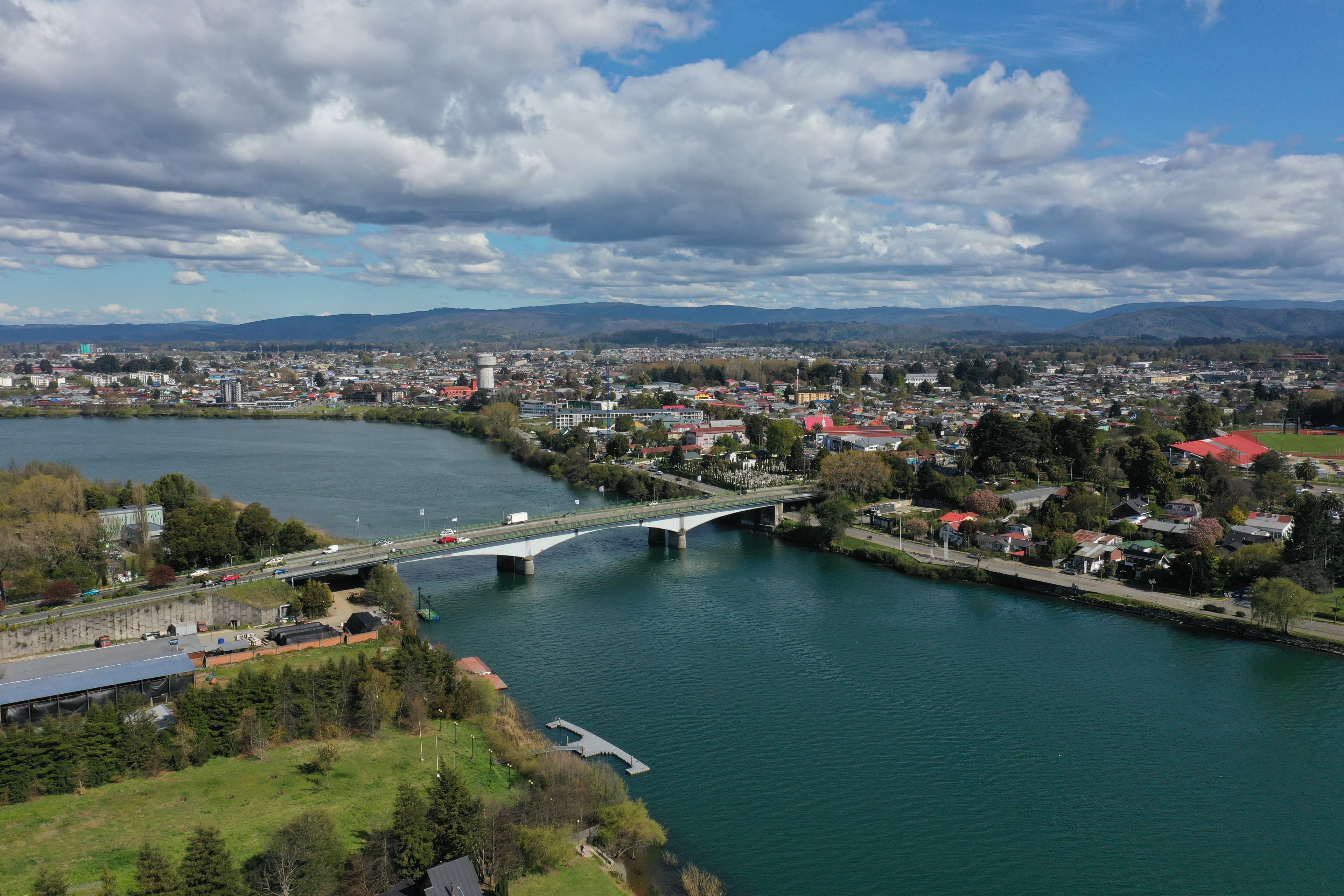
A fast point-to-point downstream swim in the cold Calle-Calle River. You will experience significant current assistance flowing downstream toward the Cau-Cau River junction, but must navigate bridge-proximate congestion.
02
Bike
The Wind-Exposed Loops
Mafil Out-and-Back Double Loop
DISTANCE
180 km
LOOPS
2
ELEVATION
874 m
TERRAIN
Rolling
WIND
Strong headwinds
A scenic but challenging two-loop course featuring a Y-shaped double out-and-back format through the Valdivian countryside. While the asphalt is generally well-maintained, expect technical bridge joints, potential potholes, and persistent, draining head- and crosswinds.
03
Run
The Scenic Bridges
Isla Teja and Valdivia Waterfront
DISTANCE
42.2 km
LOOPS
3
ELEVATION
142 m
SURFACE
Pavement
PEAK TEMP
21°C
A highly flat, three-loop run beginning at Saval Park on Isla Teja. The route winds through historic downtown Valdivia, tracking the Costanera and crossing the Calle-Calle, Cau-Cau, and Pedro de Valdivia bridges.
03·AVG beginners' Training Timeline
From zero to the finish line
24 weeks
This 24-week plan gradually escalates your volume to safely prepare you for Chile's first full-distance course. We prioritize building cold-water resilience early, developing sustained aerodynamic power to conquer the windy rural bike loops, and practicing self-sufficient nutrition habits to ensure you finish strong.
Today · WK 0Race Day
WK 1–6
Aerobic Foundation
Build a robust aerobic base and adapt to consistent training volume across all three disciplines.
WK 7–12
Strength & Cold Resilience
Introduce cold-water swim exposure and low-cadence bike intervals to build strength for headwind sections.
WK 13–18
Rolling Power & Aero Endurance
Focus on sustained aero-position riding and simulated brick runs to prepare for the rolling 180 km bike leg.
WK 19–21
Race-Specific Simulation
Execute peak-volume training days featuring downstream pacing, windy bike simulation, and flat multi-loop runs.
WK 22–24
Taper & Sharpen
Reduce volume while maintaining intensity to peak for race day, finalizing your self-sufficient nutrition strategy.
Adapts to your fitness, schedule & recovery every week.
Prepare for cool morning air temperatures around 7-8°C rising to 21°C in the afternoon. With 80% humidity and a 25% chance of light drizzle, layering is crucial; use a windproof gilet for the early bike miles and monitor your core temperature closely.
Fuel & hydration
Due to past regional aid station shortages, do not rely solely on course nutrition. Carry a self-sufficient setup, such as a double-bottle system or hydration vest on the bike, aiming for 80-90g of carbs per hour and consistent sodium intake even if the cool air masks your sweat rate.
Pacing
Use the fast downstream river current to conserve energy during the swim. On the bike, maintain a conservative, capped effort during headwind sections to preserve your legs for the flat 42.2 km run, where the repeated bridge crossings present sneaky, late-stage inclines.
Gear & logistics
A full wetsuit and neoprene cap are essential for the 14°C river swim. Select mid-depth wheels to balance aerodynamics with stability against strong rural crosswinds, and arrive early on race morning to navigate heavy bridge congestion around Saval Park.
Frequently Asked Questions
What is the water temperature and setup for the IRONMAN Valdivia swim?
The swim is a cold, 2.4-mile point-to-point course in the freshwater Calle-Calle River, where water temperatures typically average a chilly 57°F (14°C), making wetsuits mandatory. Because you will be swimming downstream with a fast current, you can expect quick times, but you must remain focused on sighting to handle buoy traffic and bridge crossings.
How hard is the IRONMAN Valdivia bike course?
The bike course has a moderate difficulty rating of 6/10, featuring a two-loop, 112-mile Y-shaped double out-and-back format with 2,869 feet (874 meters) of rolling elevation gain. Your main challenges will be navigating technical sections like bridge transition joints, watching for potential potholes, and managing strong headwinds on the highly exposed rural stretches.
What should I expect from the IRONMAN Valdivia run course?
The run is a flat, fast 26.2-mile course consisting of 3 laps starting on Isla Teja at Saval Park and looping through Valdivia's historic center. While the total elevation gain is only 467 feet (142 meters), you will face minor, sneaky inclines as you repeatedly cross the iconic Cau-Cau, Calle-Calle, and Pedro de Valdivia bridges.
What nutrition strategy is recommended for IRONMAN Valdivia?
Because the race starts in cool 45-47°F (7-8°C) temperatures, you need to dial in your hydration and sodium intake early even if your sweat rate feels low. Additionally, past regional events have experienced aid station shortages, so we highly recommend carrying extra self-sufficient nutrition, such as a double-bottle setup or a hydration vest.
What will the weather be like for IRONMAN Valdivia on race day?
Expect cool, late spring/early summer conditions in southern Chile, starting with chilly morning lows of 45-47°F (7-8°C) and warming up to mild daytime highs of 63-69°F (17-21°C). The region is moderately humid at around 80%, has a 25% chance of light rain or drizzle, and is prone to breezy conditions that will impact the bike leg.
Your Personalized Plan
Stop guessing your intervals. Train for this course.
FE26 builds your plan around your Strava data, your real schedule, and the exact demands of IRONMAN Valdivia— then adapts every week to how you actually perform.